ICCF-18 Day 3: PHOTOS!

Another jam-packed day of science and technology on Day 3 of the ICCF-18.

There were entrepreneurs giving tips on what VC’s look for in a company, there was the Defkalion demo beamed in from across the world, there was a tour of the Sidney Kimmel Institute for Nuclear Renaissance, lots of Martin Fleischmann Memorial Project technology…. and more!

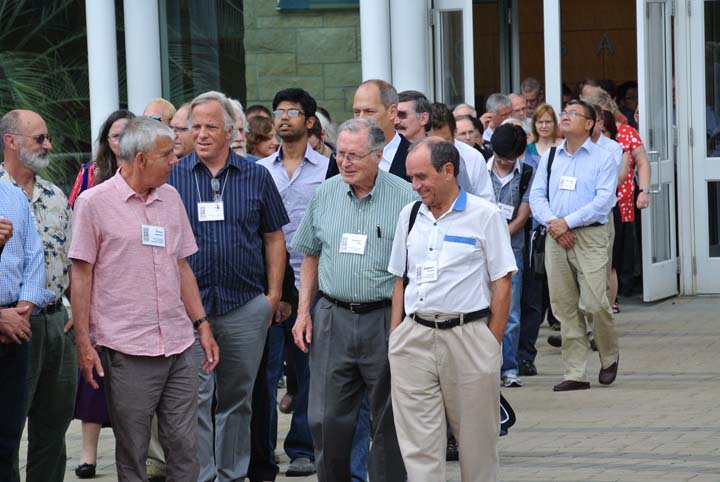
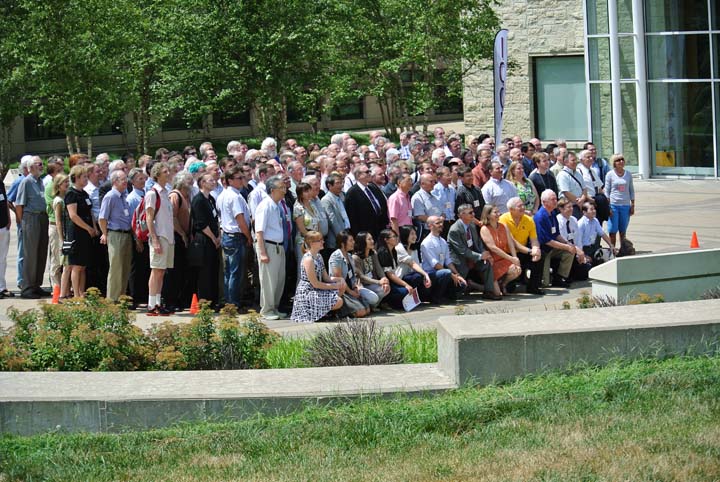
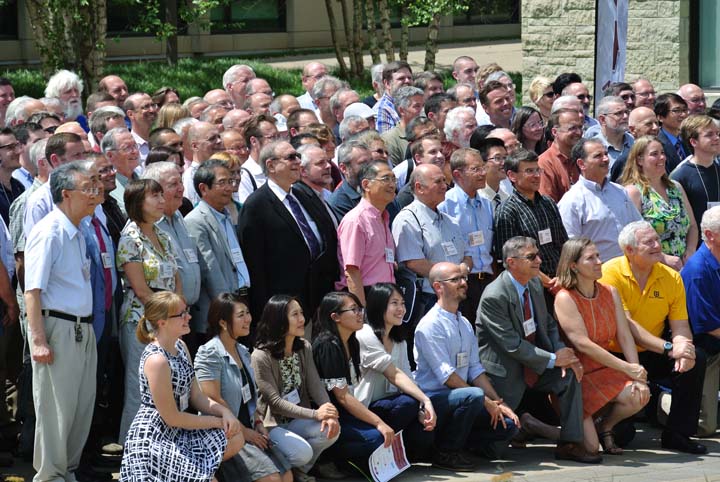
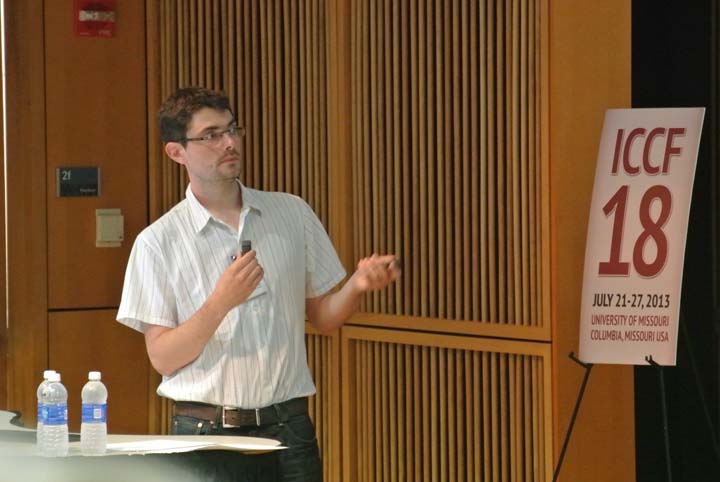
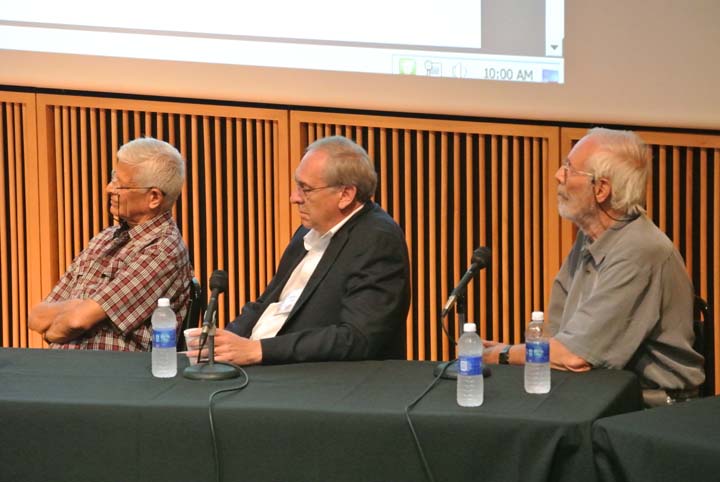
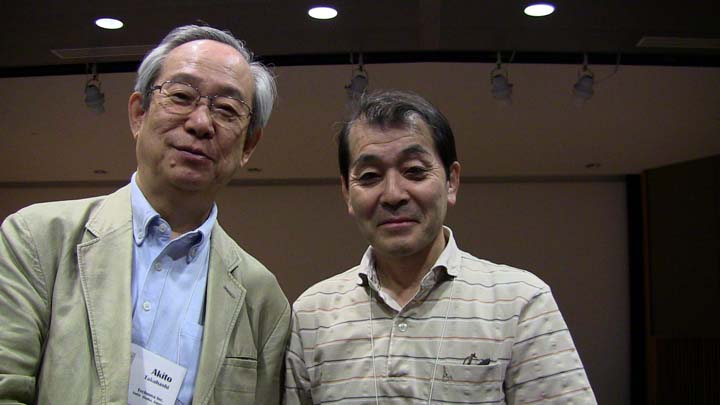
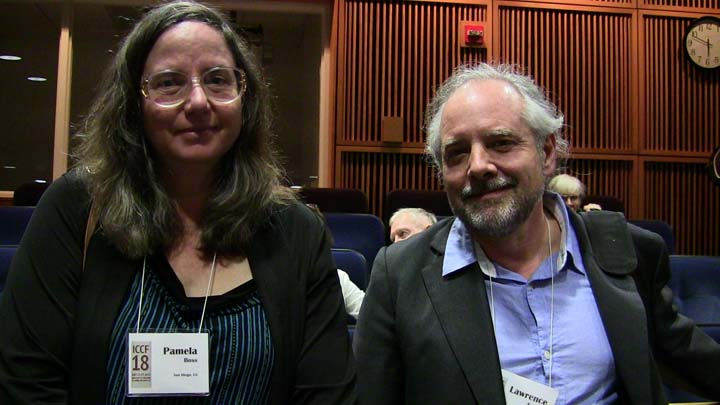
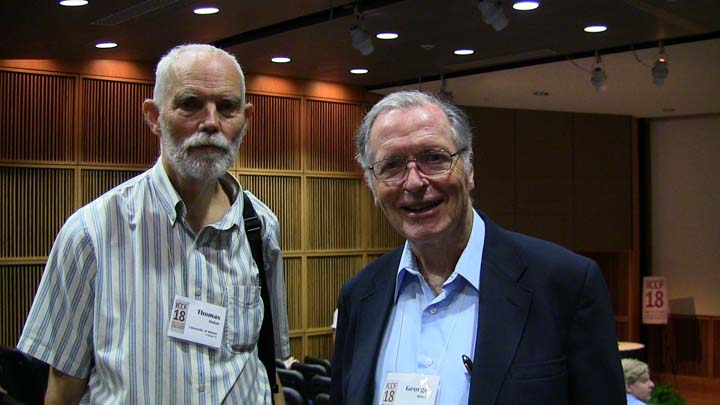
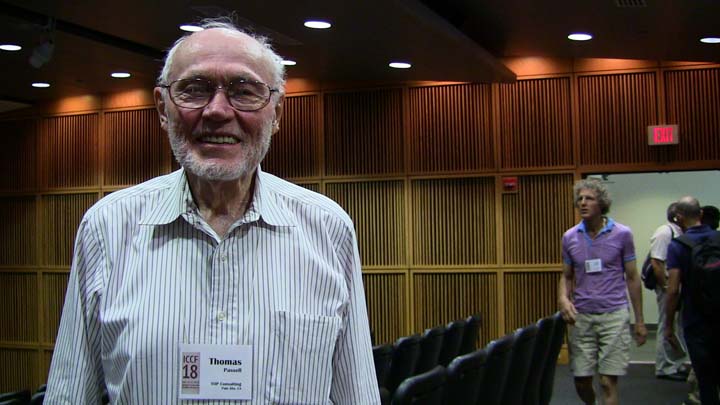
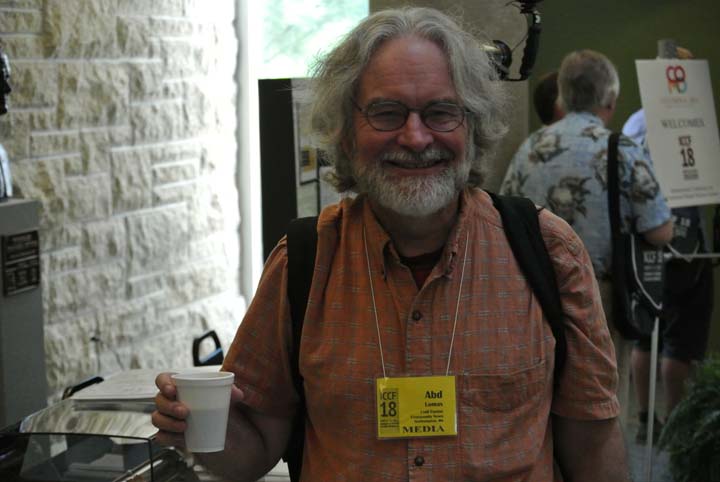
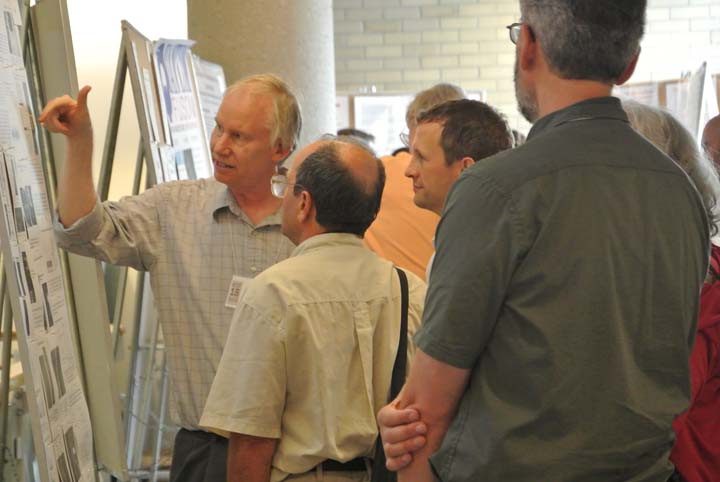
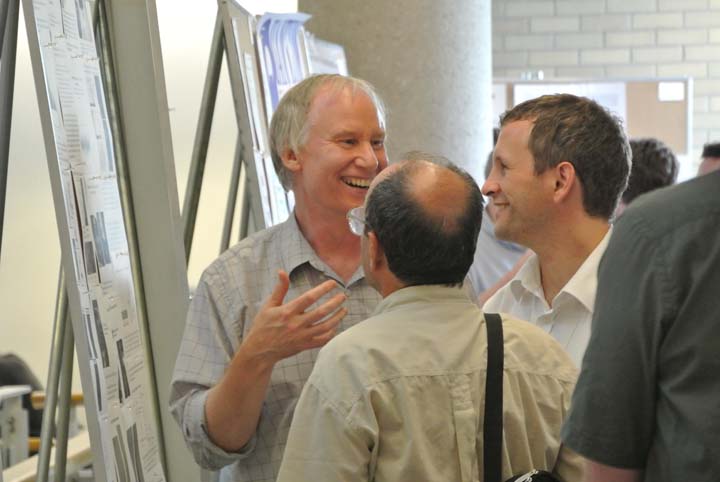
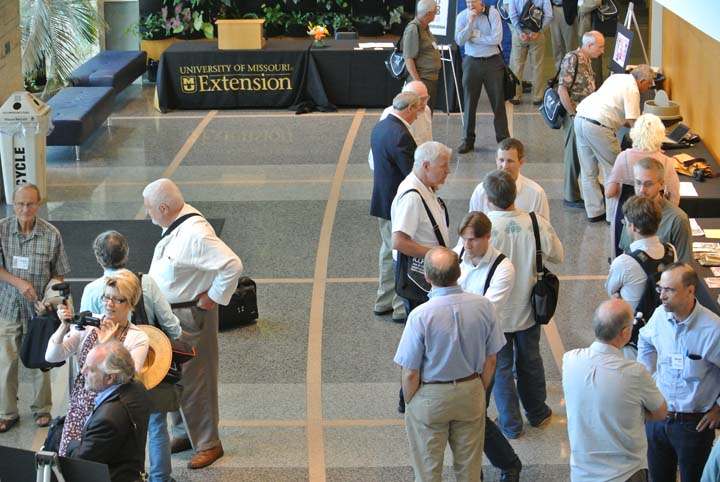
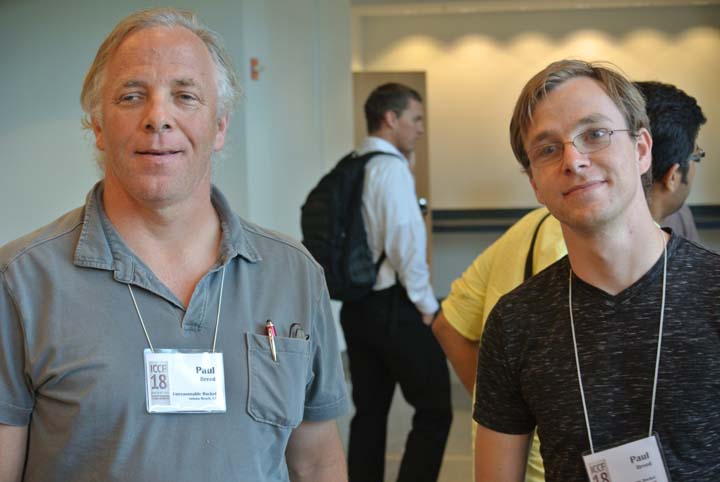
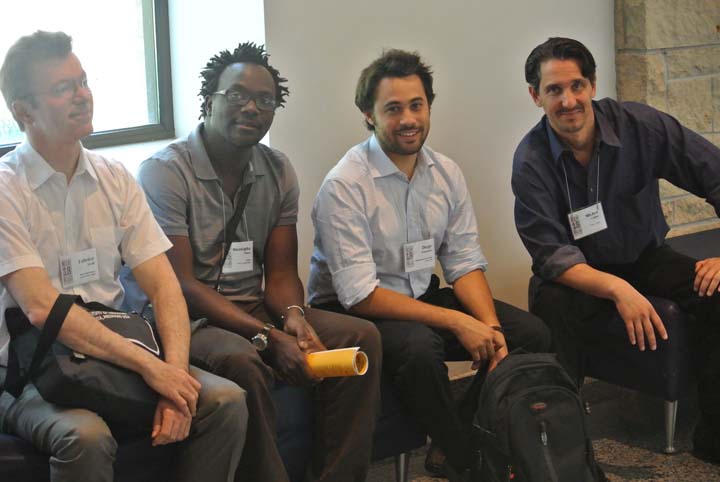
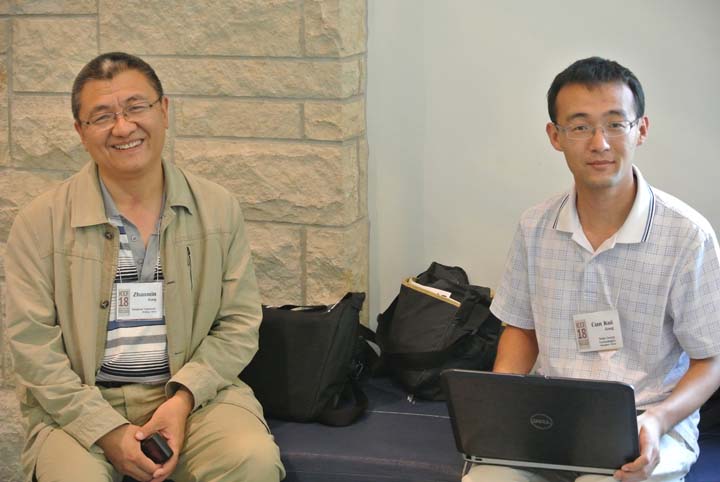
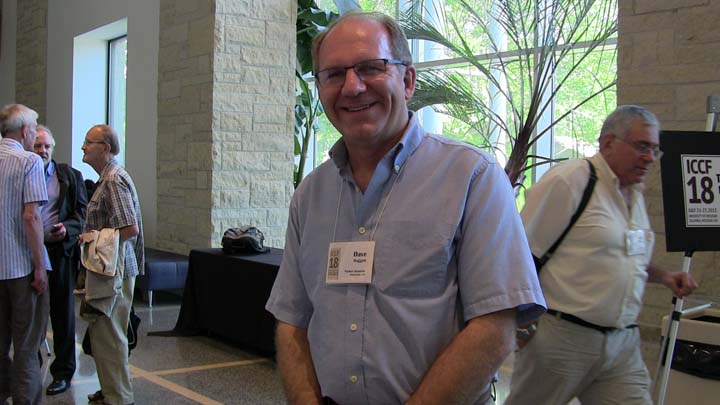
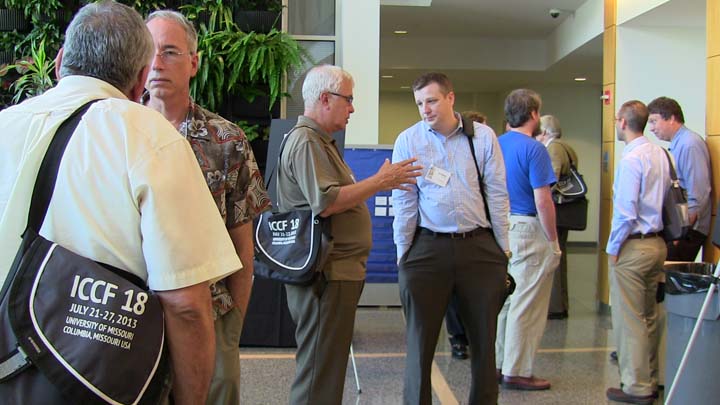
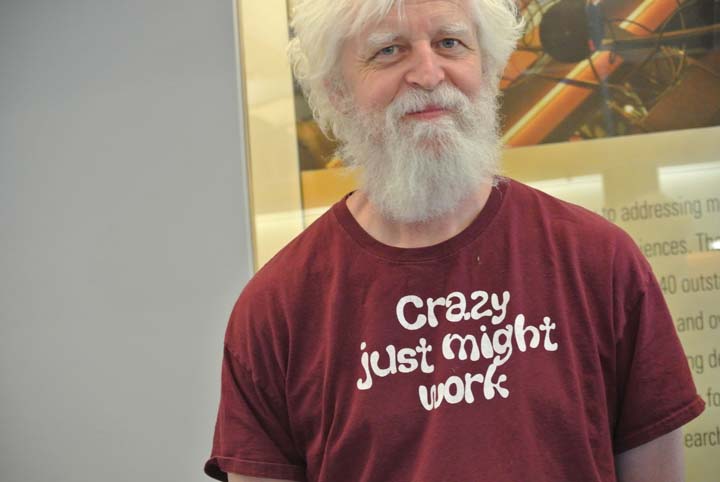
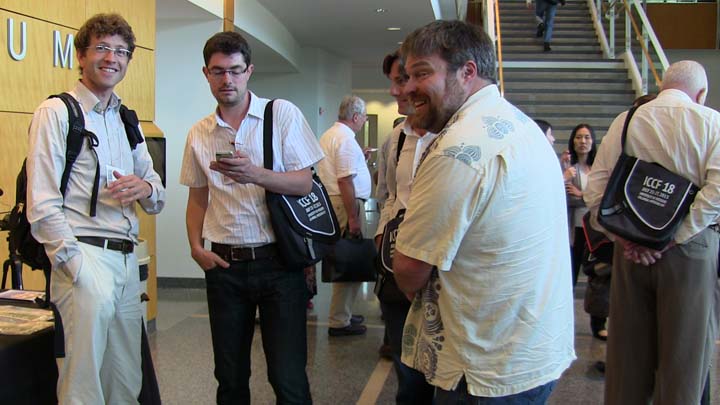
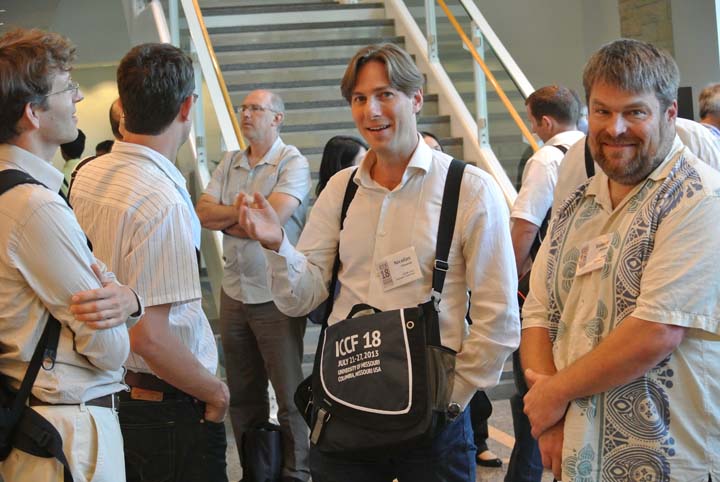
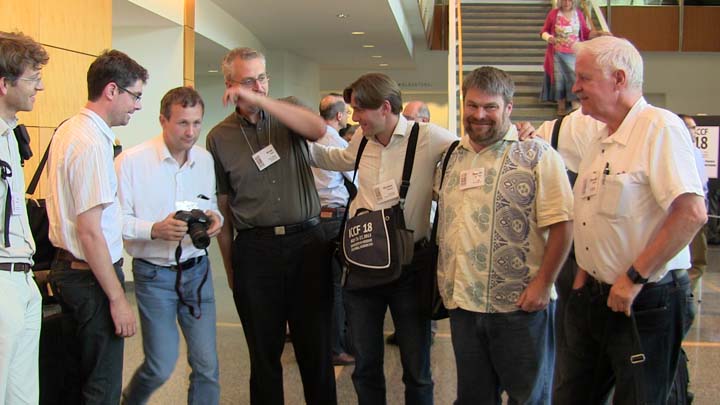
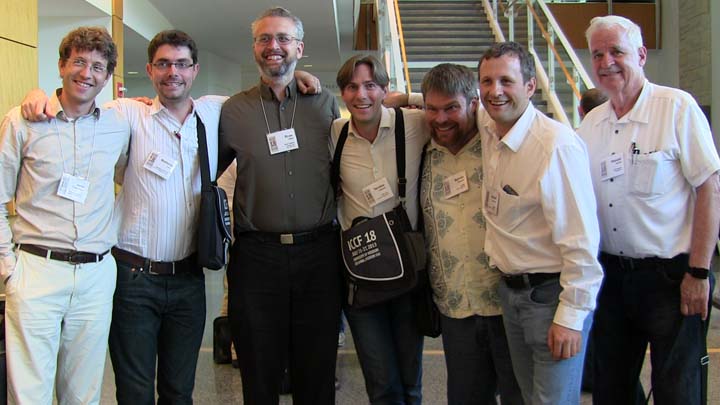
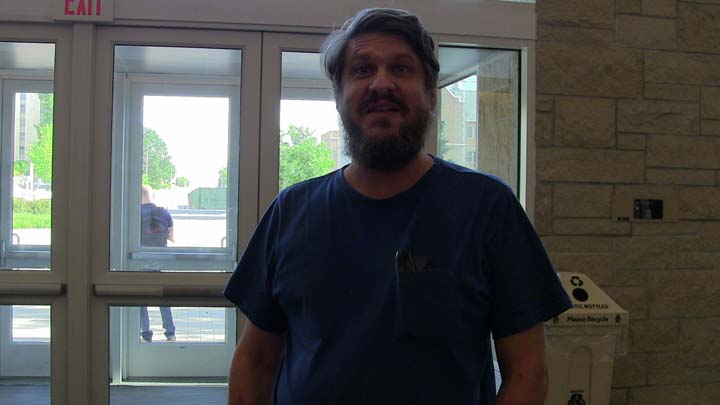
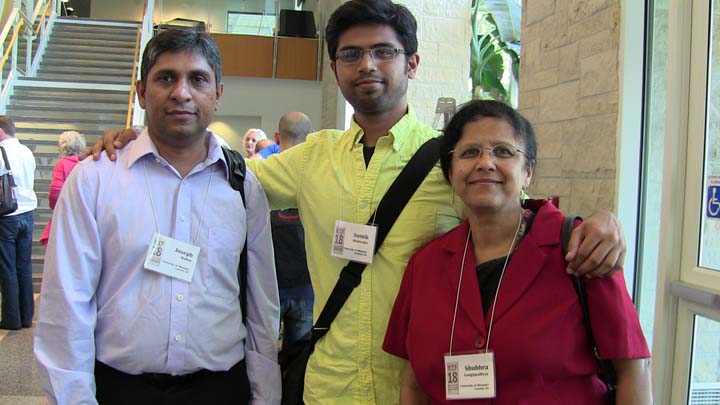
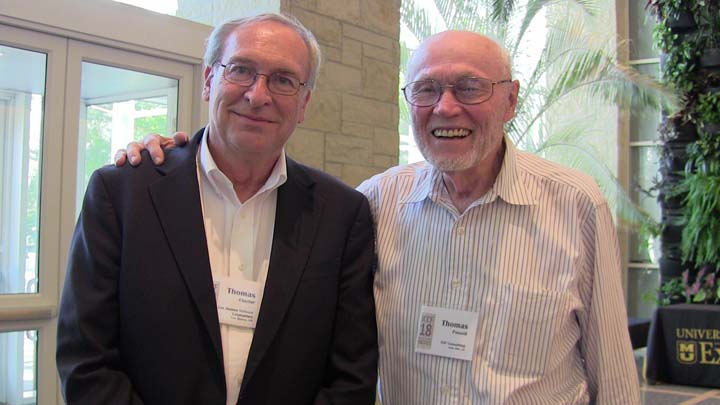
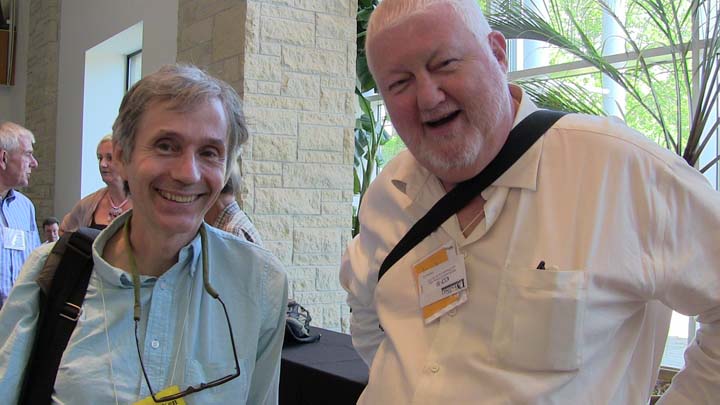
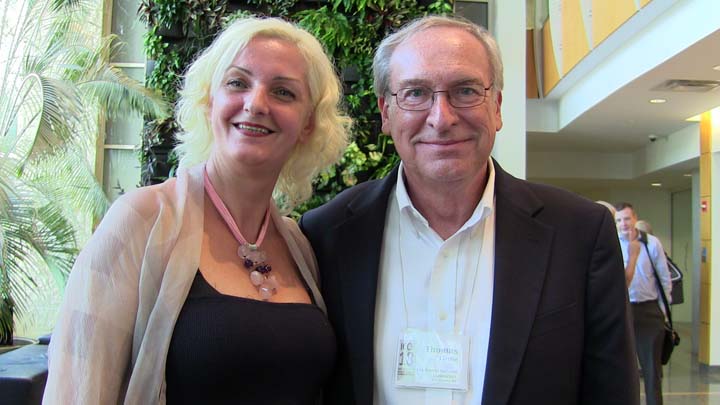
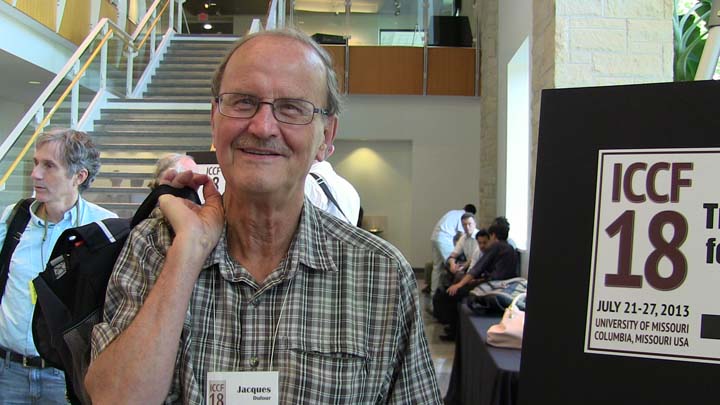
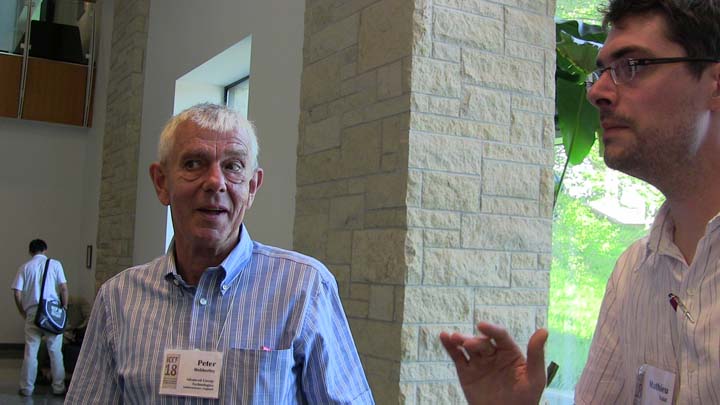
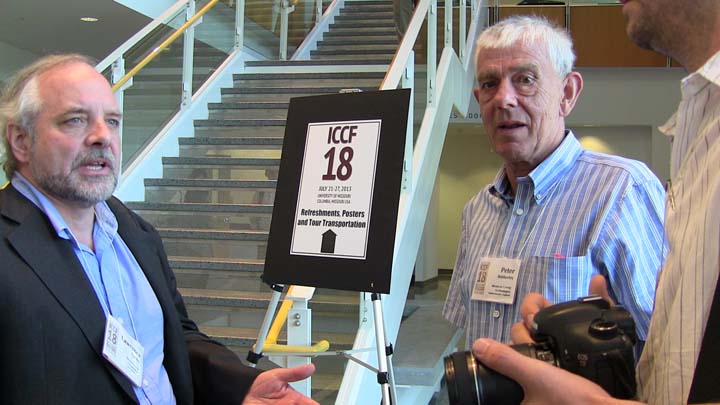
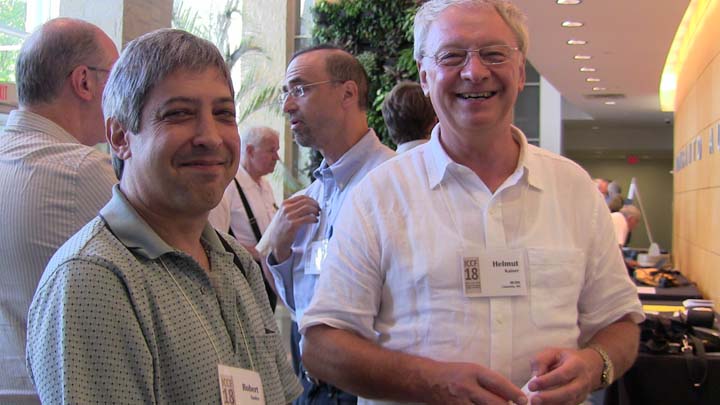
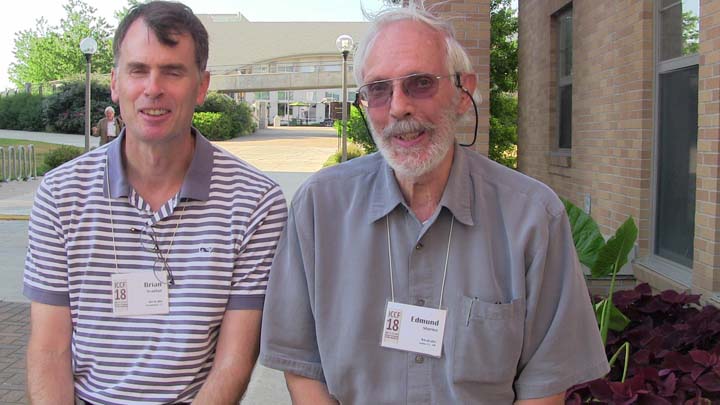
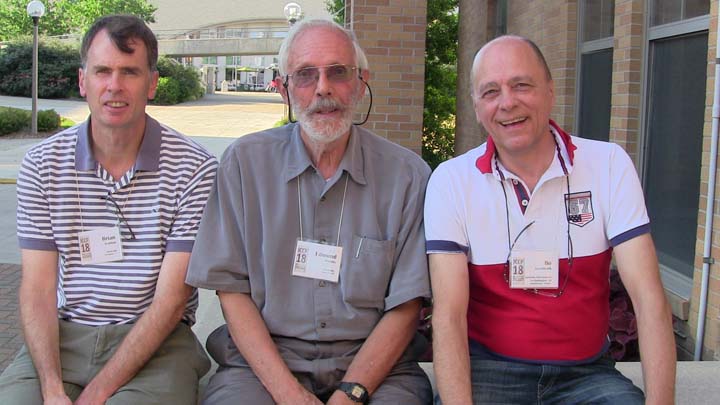
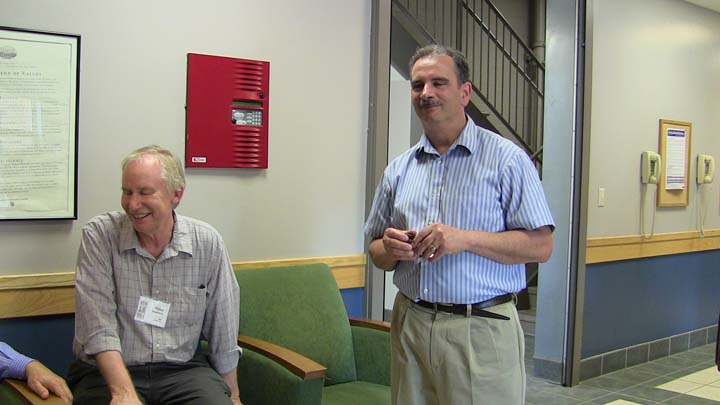
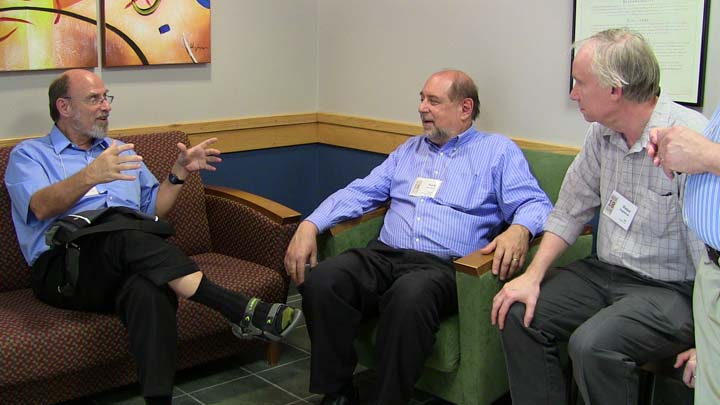
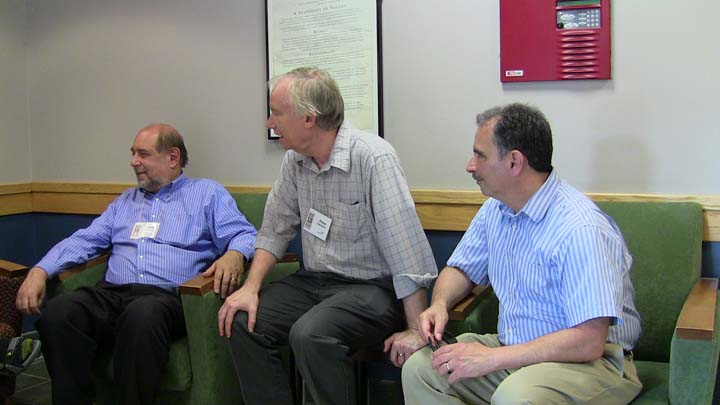
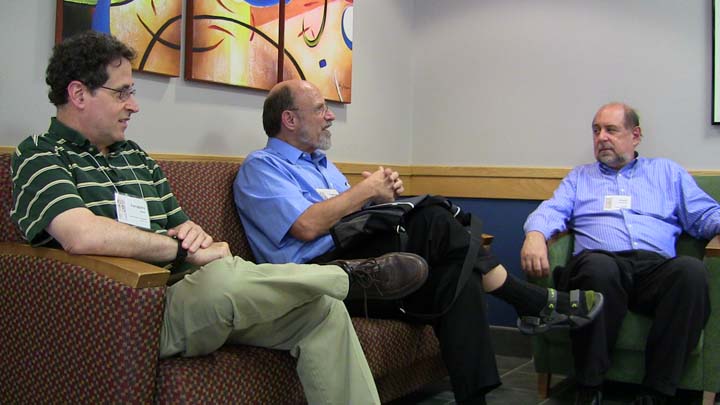
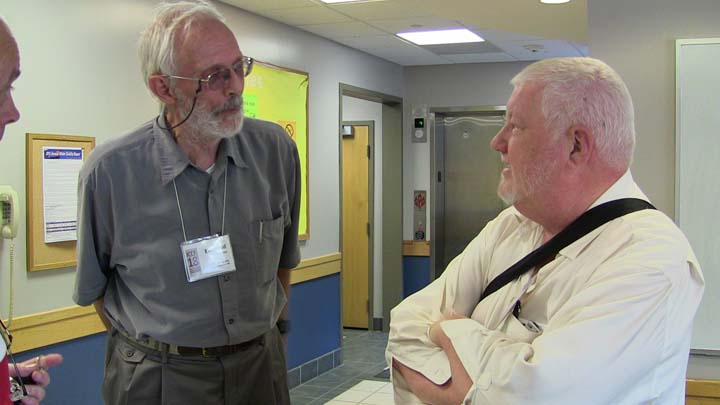
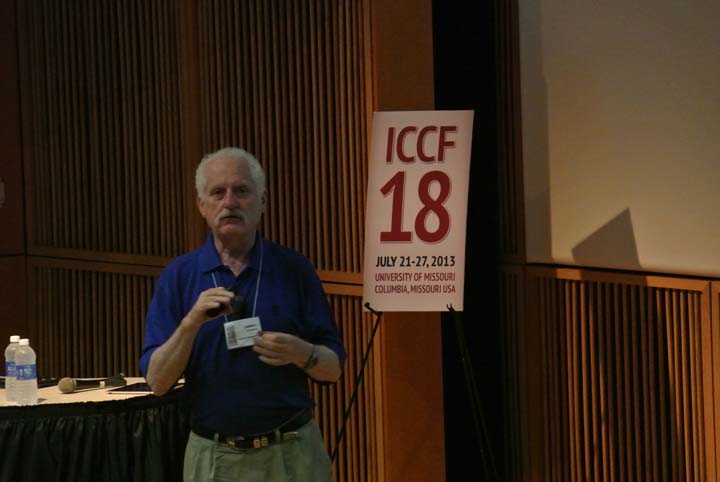
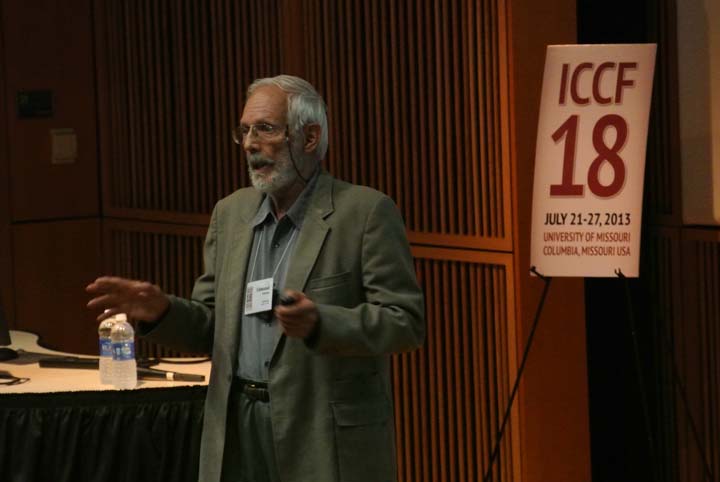
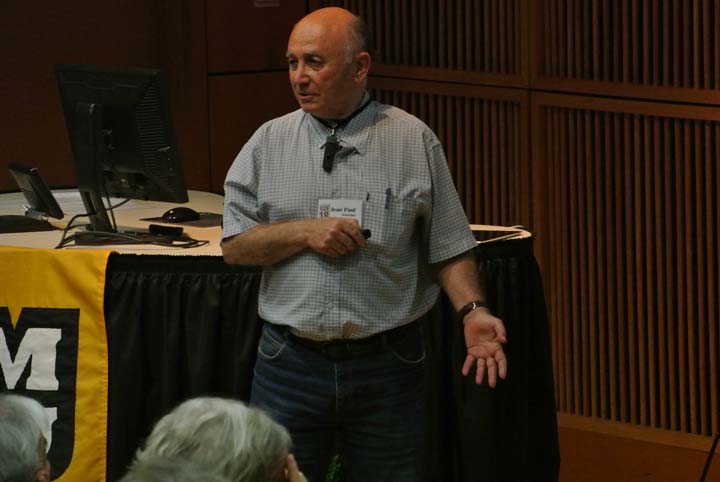
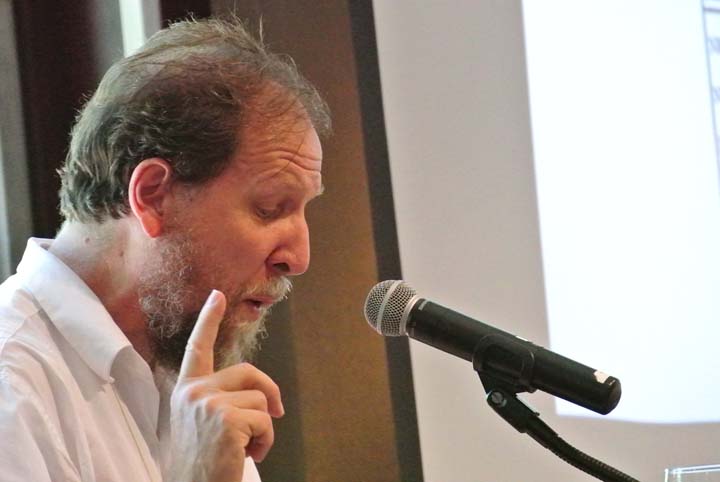
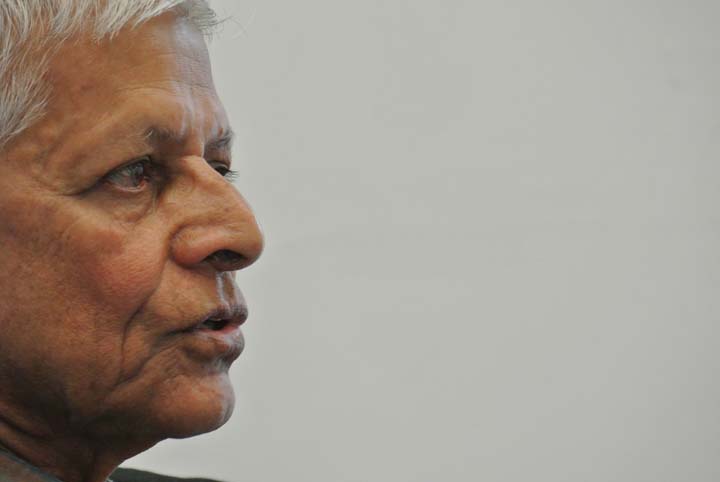
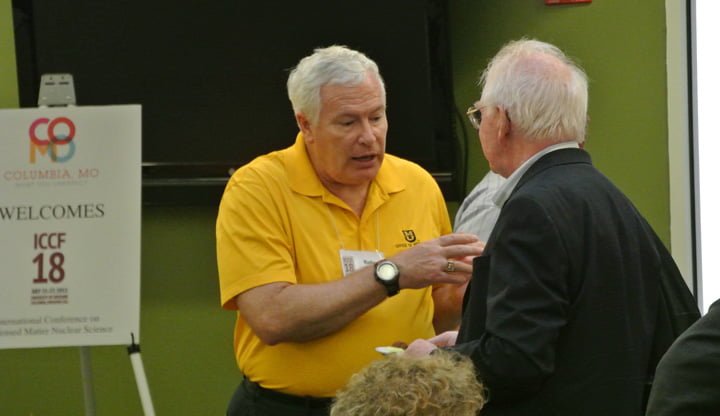
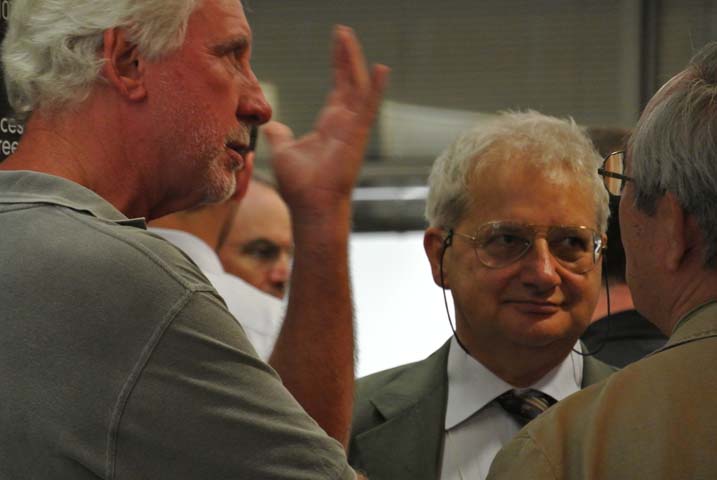
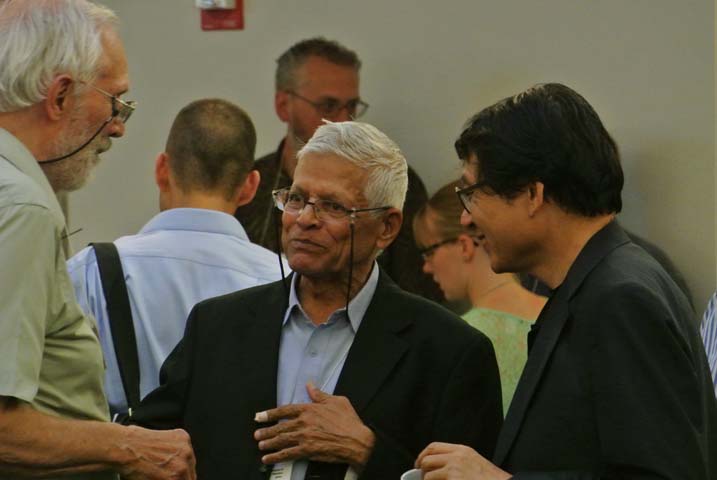
The incredible talent at this conference is mind-blowing. The following photos from Day 3 hopefully capture the excitement in the air while profiling both the presenters and diverse attendees. Can you feel the vibe of history in the making???

ICCF-1804

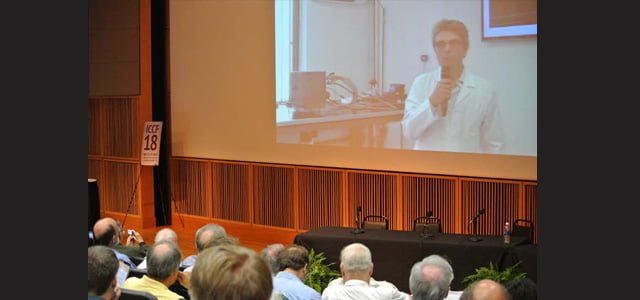
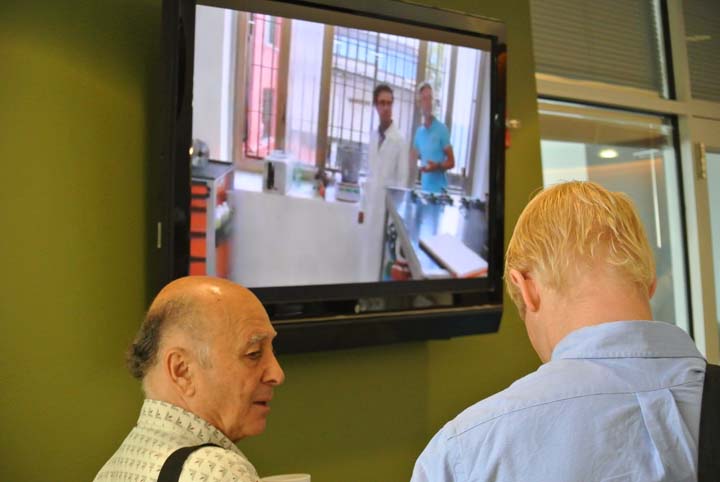
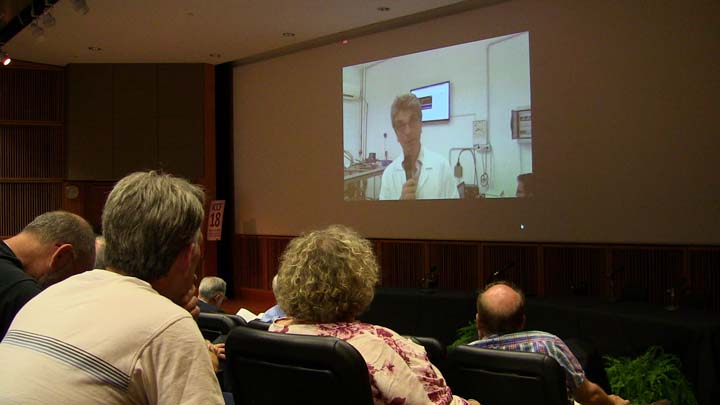
Brian Josephson posted this video of Defkalion presenting, which the whole ICCF watched a bit of.

ICCF-1814

ICCF-1846

ICCF-1803

ICCF-1815

ICCF-1816

ICCF-1809

ICCF-1849

ICCF-1851

ICCF-1853

ICCF-1856

ICCF-1806

ICCF-1822

ICCF-1823

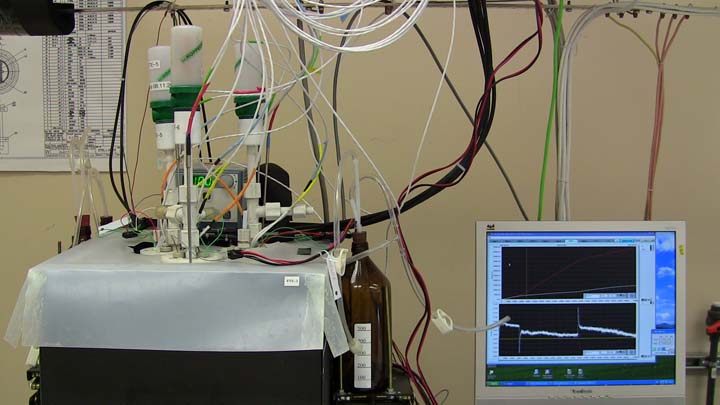
Cells at Sidney Kimmel Institute for Nuclear Renaissance
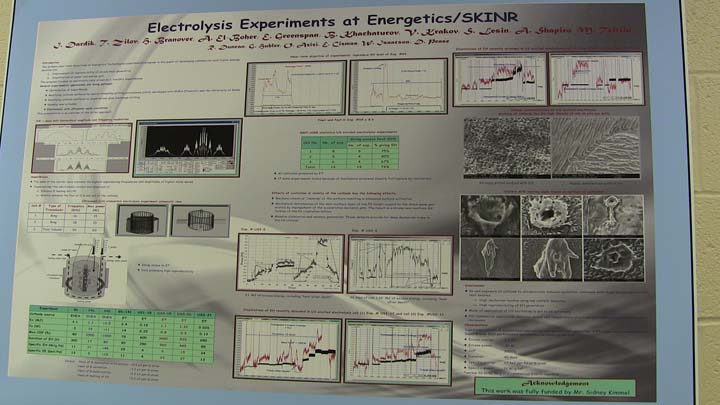
Post on the wall at SKINR lab.
Photo poster of cratered surface on wall at SKINR.

ICCF-1832

ICCF-1827

ICCF-1828

ICCF-1829

ICCF-1831

ICCF-1858

ICCF-1859

ICCF-1820

ICCF-1819

ICCF-1821

ICCF-1857

ICCF-1830

Congratulations MFMP who won the Entrepreneur Panel’s People’s Choice Award for their presentation yesterday!

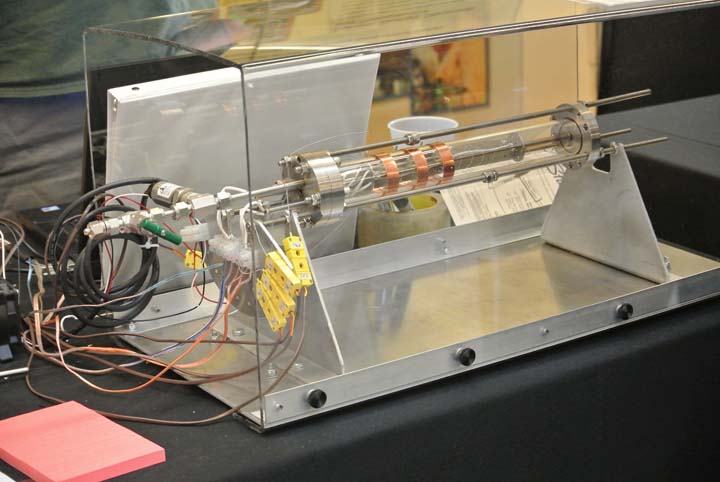
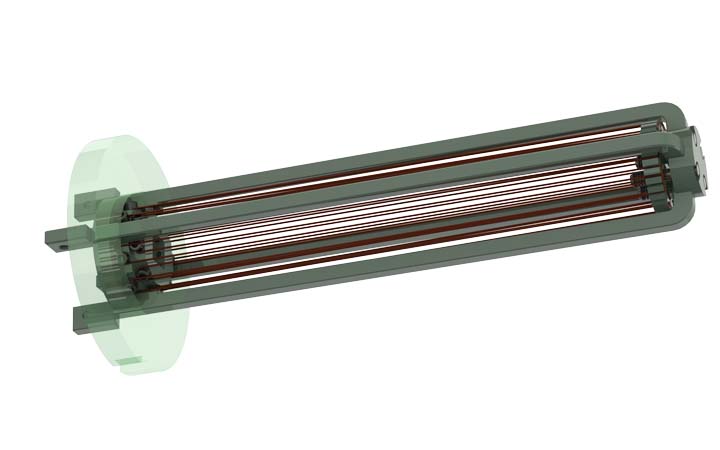
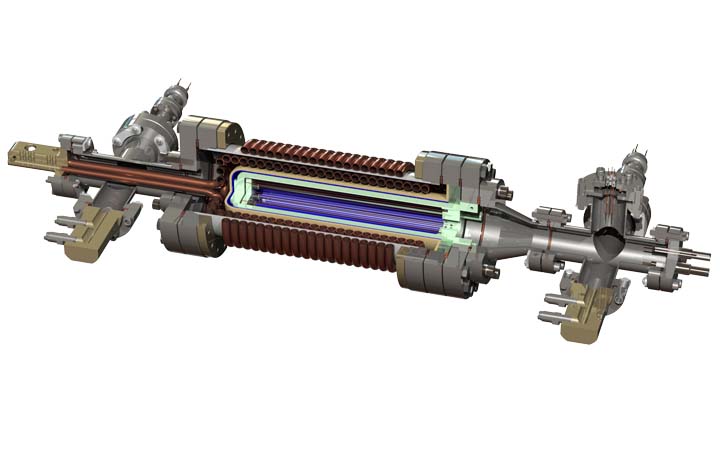
PLUS New Sgv3 Reactor design by Robert Ellefson of Martin Fleischmann Memorial Project.
Sgv3 Core

ICCF-1801

Sgv3 Cutaway
ICCF-1802

Sgv3 Rendering

ICCF-1803

ICCF-1862

ICCF-1863

ICCF-1864

ICCF-1861

ICCF-1866

ICCF-1868

ICCF-1869

ICCF-1872

ICCF-1874

ICCF-1875

ICCF-1876

ICCF-1878

ICCF-1880

ICCF-1882

ICCF-1885

ICCF-1884

ICCF-1886

ICCF-1890

ICCF-1889

ICCF-1891

ICCF-18 Day 2: Strong Claims and Rebuttals

The second day of ICCF-18 was a full one, beginning at 7:45AM and ending at 7PM. Eli and I filmed all the lectures, and spoke with some researchers one-on-one.

It will take a while to get video out; there’s lots of permissions to be granted, and after filming for 13 hours, editing is not the first thing on our minds!

But we got some pictures and audio for you dear reader.

Keynote speeches by David Kidwell and James Truchard started the day.
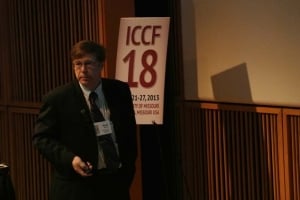
DSC_2172David Kidwell spoke on Low Energy Nuclear Reaction Research at the Naval Research Laboratory, and it was a sobering lecture for first thing in the morning. Kidwell attempted to bring enthusiastic researchers back to reality by reminding them that their number one job is to “try to prove themselves wrong.”

He stresses that hard scrutiny of data sets is necessary to trust the results of your measurement, because instrumental artifacts can skew interpretations. He went through several examples of experiments where anomalous measurements were made, seemingly pointing to transmutation effects, but were due to contamination.

Kidwell claimed the Naval Research Laboratory (NRL) has observed no evidence of nuclear products or transmutations from LENR experiments, but they still believe the phenomenon needs further study.

Kidwell’s doubts about data reported by both Yasuhiro Iwamura and the Martin Flesichmann Memorial Project (MFMP) were soundly countered by Iwamura and Bob Greenyer of MFMP in the question period after the lecture. Still, the point was not lost on the audience: look skeptically at your own data to make it iron-clad.
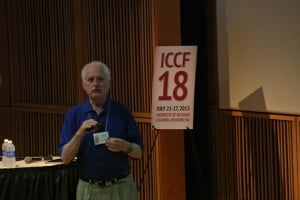
DSC_1961James Truchard‘s talk on The Role of National Instruments in the Global Environment was a tour of National Instruments hardware, software, and applications that support research in the field. “Ours is to measure, not to judge” is the motto of the company and Truchard repeatedly stated that he remains “objective” and “neutral” on scientific issues, preferring to let the data speak to the phenomenon.

Around 35,000 companies use NI products, but no one industry has greater than 15% of the billion+ dollar revenue. The company grew from Truchard’s work in the 60s on sonar, and now serves businesses from LEGO toys to CERN particle research. LabView software has been available free to cold fusion researchers since 1989, when Truchard wanted to support the understanding of the claims.
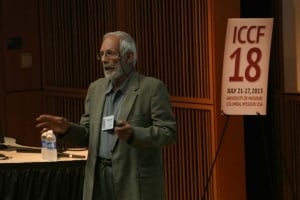
DSC_2237Next up was Edmund Storms, who spoke about the requirements a theory must have to model cold fusion in Explaining Cold Fusion. Originally an experimentalist, Storms has developed a theory “out of disappointment” with other models that couldn’t tell him how to make the reaction work on-demand.

Seeing most theories as containing too many assumptions, he states clearly three of his own. First, since cold fusion doesn’t happen easily in ordinary materials, there must be some change in the environment before a reaction can occur. He calls this the Nuclear Active Environment (NAE).

Second, Storms assumes that all the phenomenon seen in Pd-D systems, Ni-H systems, and biological systems derive from the same basic nuclear mechanism. Any theory of LENR must apply to each and every method that generates both excess heat and transmutations.

Finally, he assumes that cold fusion is not hot fusion, and the nuclear mechanism and reaction products are completely different.

Storms believes that reactions fall within the known laws of nature, and the task is to “find out what’s missing.”

It was a strong challenge to the many theorists in the audience who have been struggling to model this reaction for two-and-a-half decades, many of whom will speak in the next few days. A theory will bring clear direction to engineering applications for consumer products, something we all are waiting for.
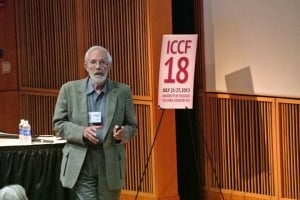
DSC_2262Right after Storms’ talk, he was honored with a Distinguished Scientist Award. His career in nuclear science began in the 1960s and he worked on projects that sought to power rockets to Mars, among other lofty goals, and always, as success approached, funding was cut, and the project forgotten.

Storms’ joked that now that he has been working on cold fusion, he hopes the same thing doesn’t occur.
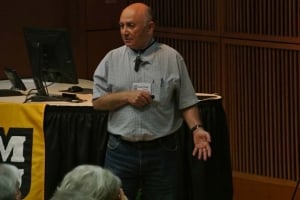
DSC_2340After a morning break, Jean-Paul Biberian described the cell design for his plasma-style reactors, as well as the parameter values that make it work with high reproducibility. Cathode material and dimension, the nature and composition of the electrolyte, pressure and temperature, voltage and current, are all elements that effect the outcome.

These types of cells are good for demonstrations because they start up quickly, but unfortunately, with this design, the cathode is destroyed quickly, making the duration limited.
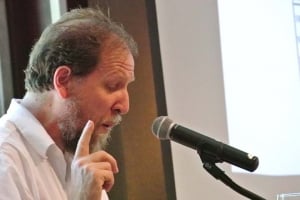
DSC_2376Then it was lunchtime, where we walked to a cathedral-style building to eat, and Jed Rothwell spoke on Lessons from Cold Fusion Archives and From History.

He made the claims, again, that cold fusion is real, replicable, and undoubtedly more developed than it was many years ago, describing the problem early on as a materials issue.

Full of anecdotes about Martin Fleischmann, there was a lot of laffs amidst the serious message: “do your homework” and “don’t be afraid to ask for help”.

At lunch, I happened to sit next to Jacques Dufour, former scientist at Shell Oil and French Laboratoire Des Sciences Nucléaires (CNAM), now retired. I asked him about nuclear power in France, and if there is any support for research from the federal government there. Here’s a bit of his response.

Just before leaving, I happened to bump into Fabrice David, who described his technology that is generating electricity directly from diodes exposed to an ambient deuterium gas, with no input power. Self-Polarisation of Fusion Diodes: From Excess Energy to Energy by Fabrice David and John Giles describes the circuit. [.pdf]

DSC_2614
There were so many more talks, and I got video and audio with heavywieghts Akito Takahashi, Mahadeva Srinivasan, Xing Zhong Li, and Mitchell Swartz.

But it’s too late to say more now…. We start again in less than six hours!

Here’s some photos of the day:
DSC_2392

DSC_2692

DSC_2455

DSC_2520

DSC_2515

Message from ICCF-18: Sunday Basic Course

Some 25 enthusiastic participants signed up for David Nagel’s Basic Course, scheduled to run from 8 AM to 4:30 PM on Sunday, July 21, Registration Day for ICCF-18.

David Nagel arranged for presentations to be made by: Michael Melich; Mahadeva Srinivasan; Vittorio Violante; Michael McKubre; Peter Hagelstein ; David Nagel himself, and myself, David French. Also in the room as interested participating observers were Ed Storms and Dr. Celani from Italy. The sessions were intended to conclude at 4:30 PM but ran on to 6:30 PM partly because of the enthusiastic participation of the audience in asking questions.
This basic course, led by individuals with lots of gray hair, provided an intense but informative presentation of the fundamentals of the LENR phenomenon from its roots in 1989. It provided a great grounding for those not familiar with basic principles and a very useful refresher for those who think they’ve heard it all before.

David Nagel in his opening remarks made it clear that active Cold Fusion debunkers still exist. These are generally persons who ignore the data. He expressed a wish that he could present such individuals with a definitive collection of all of the excess heat reports that have been generated over the last 20 years. Somewhere out there, somebody has probably prepared or, hopefully, is preparing such a document.

Mike Melich shared his 2009-2010 personal experiences with Andrea Rossi that led to the rebirth, under Rossi’s initiatives, of the hydrogen gas-nickel system for generating heat energy. Discovered in the early 1990s, this gas phase type of experiment went into partial eclipse. Following Rossi’s famous public demonstration in January, 2011, this technology is now in the forefront of the field. Defkalion is planning to make two demonstration experiments based on hydrogen-nickel at ICCF-18 using the Internet. A most interesting observation by Mike Melich was that Rossi in 2009 was demonstrating Cold Fusion experiments based on hydrogen-nickel to generate heat almost as a whimsy. Since then, however, Rossi has clearly become market oriented.

Dr Srinivasan emphasized the developing importance of transmutation as an alternate phenomenon to nuclear fusion in the field. The evidence is there for some degree of transmutation, but not at profound levels or rates. It’s still unclear whether this is arising from neutron or proton capture. But recent experiments such as those of Dr Iwamera based upon deuterium permeation of metallic foils definitely shows a decline in the presence of carbon and sulfur at the same time as a rise in the level of content of manganese and silicon. Theoretical equations have been proposed to support these transmutations. Even the manganese appears to have a theoretical pathway for conversion to silicon. Accordingly, the LENR phenomenon may actually be a multiple or combination of phenomena: fusion and transmutation.

The remaining speakers provided their wisdom in their respective fields and I had the fortunate/unfortunate opportunity to be the second last speaker before David Nagel was to provide his concluding remarks. I spoke on patenting Cold Fusion inventions before the US Patent Office. Unfortunately, the audience had many many questions about patenting in general. I got drawn-in to the seductive experience of answering questions until I realized how quickly time was flying. I even had to plead with some of the speakers to stop asking their questions, and even then some persisted. In the end, David Nagel to his great credit, gave up his time to make concluding remarks in order to allow my presentation on the theme of patenting to reach its conclusion. My message was simple: think of something useful, describe how others can make it happen and stipulate a feature that is new. Not complicated when summarized in a few words, but pregnant with meaning and concepts that are hard to absorb.

I tried hard to stay away from my favorite theme, “patenting sensibly”, and focus on meeting US PTO requirements to patent Cold Fusion. I circulated an email received from the US Patent Office confirming that they will issue patents for Cold Fusion inventions if they meet the requirements of four sections in the Patent At. These are the sections that deal with the usefulness, novelty, inventive step, and the obligation of an applicant to provide a description that will enable others to reproduce the invention.

The point of my presentation was: you can get a patent for something in the field of Cold Fusion, even at the US Patent Office. I provided one example of a success, and one example of a failure.

Tomorrow the Conference begins in serious. You can tell it’s going to be serious because opening remarks are scheduled for 7:45 AM with two keynote speakers following directly thereafter.

Until the next time.

ICCF-18 Opening Reception: Top Researchers and New Faces

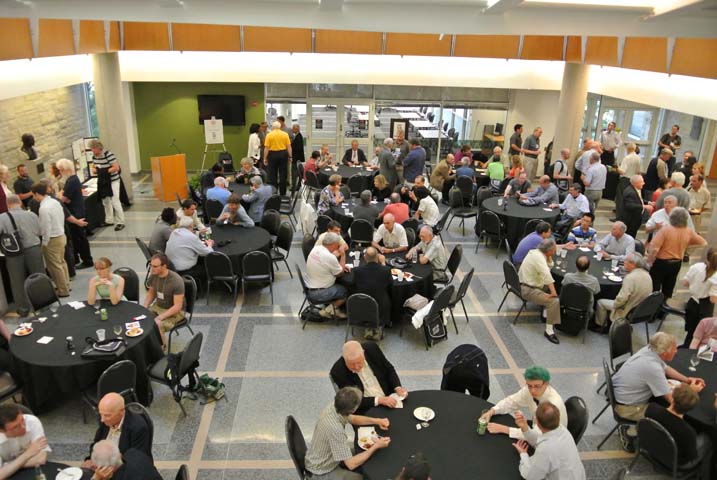
Duncan-DSC_1893The 18th International Conference on Cold Fusion (ICCF-18) started today with a special meet-and-greet reception. Robert Duncan, Physics Professor and Vice-Chancellor for Research at the University of Missouri began the event with just a few welcoming remarks. He then introduced a local Columbia City Councilman from the 2nd Ward Michael Trapp who was attending the event and spoke in support of the school’s research in this area of condensed matter nuclear science (CMNS).

Opening reception at ICCF-18
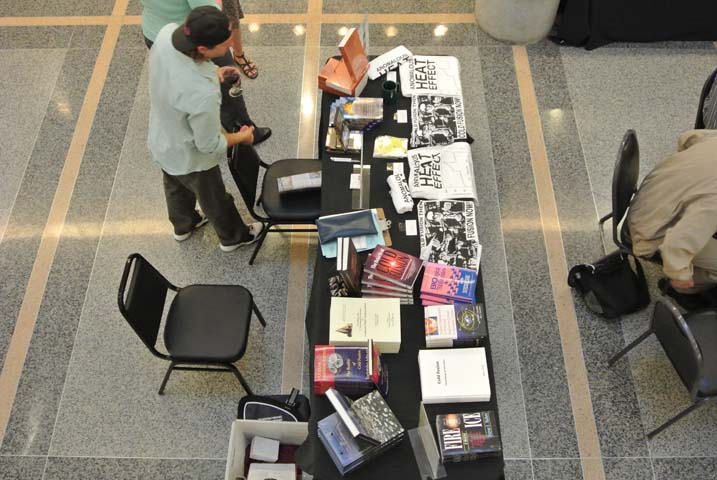
Christy Frazier of Infinite Energy Magazine has a table with lots of books, magazines, and t-shirts.
Christy Frazier of Infinite Energy Magazine has a table with lots of stuff.

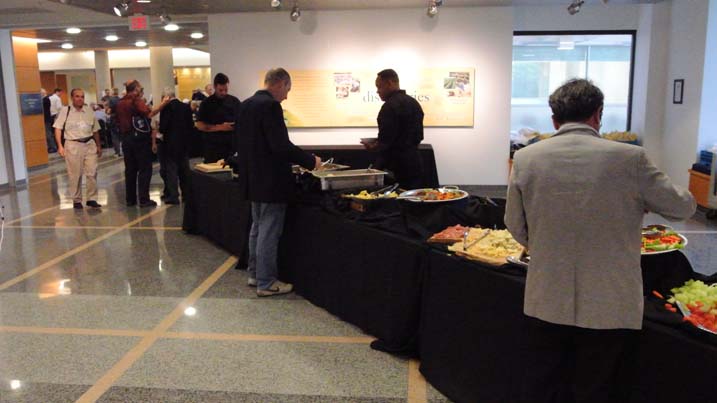
It seemed like less than 10 minutes, and then, everybody was free to get a plate of food and mingle.

ICCF-18 Opening Reception had delicious buffet.

The talent in the room was stunning. Major figures of research going back twenty-four years are all together to hash out the latest.

Dr. Michael McKubre and Dr. Francesco Celani are both presenting at ICCF-18 this week.

DSC_1814

I went around the room introducing myself to the participants, telling them about our film we are making and asking them if they’d speak with me on camera about their work. We lined up alot of interviews, though most will be on-the-fly due to the super-tight schedule.

I chatted with Akito Takahashi and Akira Kitamura who will be presenting their work this week, both experimental and theoretical. I met Sunwon Park and Frank Gordon who organized last year’s ICCF-17.

It was a great pleasure to briefly meet Charles Beaudette, author Excess Heat: Why Cold Fusion Research Prevailed, one of the great books on the field.

I cannot name all the people I met, so forgive me for leaving most of them out.

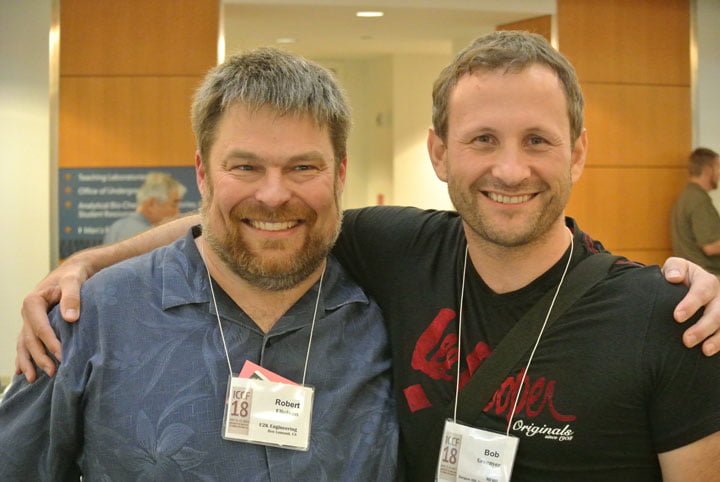
However, it was very exciting to also meet the crew of the Martin Fleischmann Memorial Project’s (MFMP) Bob Greenyer and Robert Ellefson. Representatives of this ever-growing group are presenting their new cell design tomorrow (Monday), a design made by Ellefson, whom I had previously met at the San Jose screening of The Believers movie.

MFMP-DSC_1924

Here’s some great audio with these two passionate experimentalists and inventors.

We will be getting video of the lectures tomorrow, and lots more photos, too.

Defkalion Hyperion demo to be broadcast online

Video: Dr. Bob excited about Defkalion demo drboblog.com

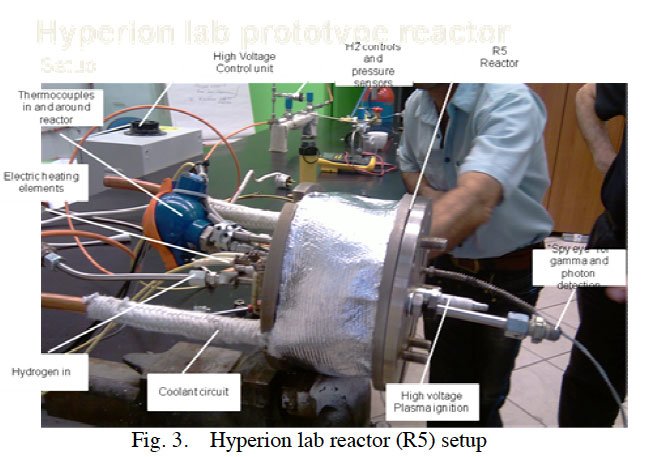
Hyperion-R5-set-upDefkalion Green Technologies has scheduled two public demonstrations of their Hyperion core reactor next week concurrent with the 18th International Conference on Cold Fusion (ICCF-18).

Defkalion originates from Greece, but now has their main lab in Vancouver, Canada. Labs dedicated to applications for the steam generator are in part located in Brazil and Milano, Italy. The two demos will occur from two different locations in Vancouver and Milano beginning on July 22, 2013, concurrent the ICCF-18 Defkalion poster event occurring in Columbia, Missouri, USA.

The intercontinental event can be viewed online at Triwù Web TV Innovation www.triwu.it streaming.

From Cold fusion: the E-cat Defkalion announced officially at the end of the month?, originally published in Italian by Roberto De Carolis:

“There will be an official announcement of this technology during ICCF 18 (International Conference Cold Fusion 18) at the University of Missouri (USA) […]. For those interested you can see this Internet transmission of all phases of the experiment, power, performance and off – he wrote about the CEO of Defkalion Europe Franco Cappiello – In this broadcast will participate in two independent scientists and two science journalists at international level, in addition to a component Cicap.”

According to Dr. Bob, details about the events will be posted on EGO OUT and Defkalion Green Technologies websites prior to the demos.

Related

A Visit to Defkalion Green Technologies by Jeane Manning Expanded article for Infinite Energy #110

Defkalion: “We’re not selling products, we sell technology”

Defkalion Green Technologies ICCF-17 presentation paper [.pdf]

Cold Fusion Now to report from ICCF-18

The 18th International Conference of Cold Fusion (ICCF-18) begins Sunday, July 20, 2013 at University of Missouri in Columbia, Missouri. The week-long event brings condensed matter nuclear scientists together to exchange the results of their research on cold fusion, also called low-energy nuclear research (LENR), lattice-assisted nuclear reactions (LANR), quantum fusion, and the Anomalous Heat Effect (AHE) among other acronyms.

The Rumplestiltskin-reaction derives from the Fleischmann-Pons Effect (FPE), the generation of excess heat from the elements of hydrogen and metals in electrolytic chemical cells. The search for control of this reaction has led to the discovery of multiple types of systems, as well as other anomalous effects, such as transmutation.

A form of powerful energy, and the realization of the ancient search for alchemy, is poised to transform human culture in one sweep of adoption, and the mainstream press is clueless.

Luckily, Cold Fusion Now will be there to document the event!

Dear Friends,

Driving cross-country from two different directions, I’ll be meeting videographer Eli Elliott at the conference to capture lectures and video interviews with participants for a new documentary film on the field. We’ll also be posting up regular updates from the conference.

You know our work – traveling to the streets and the lab to bring you the voices of scientists in their own words.

We put it together completely self-funded, DIY, and volunteer-driven.

Now we need your help.

I’ve got to get more video chips, and another hard drive. I had to rent a car, cause my poor truck just can’t make the trek anymore, and dorm rooms, food and gas are adding up.

Can you make a financial donation to help us report from the conference? Your support is needed now.

Contribute, and get ready for the good news of new energy on the horizon.


We’ll also be sharing a table with Infinite Energy. Stop by for books, magazines, t-shirts. (Say the words “Cold Fusion Now!” and get a free History of Cold Fusion Calendar!)

Also Needed: Web Designer

Do you know .php? Do you have ideas on how to organize the content on our huge site?
Can you get a subscription button working after a database was corrupted?

If you’d like to contribute your skills to this clean energy effort, please send me a note about yourself to ruby@coldfusionnow.org.

We’re getting bigger, and we need to get better. Your help is needed now. We can’t do it alone.

Your pal,
Ruby

Cold Fusion Now!

Top