2nd Commercial Cold Fusion Generator Planned for 2012 Release

Note: This article has been updated several times. Apologies to all. It is an effect of the digital environment that nothing can be known (Jean Baudrillard and Bob).

defkalion green technologiesA second commercial product based on cold fusion technology is planned for release next year.

Yesterday Praxen-Defkalion Green Technologies released a Technical Specifications Sheet detailing elements of the Hyperion thermal energy generator that creates heat using a nickel-hydrogen exothermic reaction Ni-H, the same technology that the Energy Catalyzer E-Cat generates.

Marketed for industrial and agriculture uses, the Hyperion will come in two models. A larger model will produce a thermal output power ranging from 10-45 kiloWatts and require at most 310 W electrical input power to run. That’s an energy return between 32-145 times the energy input.

The smaller model is a 5-11 kiloWatt output of steam power and requires an input of at most 200 W input of electrical power, giving an energy return ranging from 25-32 times the energy input.

The 5 kW unit has a reactor of dimensions 12 cm x 12 cm x 12 cm (12 cm = 4.7 in).

Defkalion Green Technologies Hyperion
Internal view of Hyperion thermal energy generator. Photo Praxis-Defkalion Press Release Nov. 14
A 2 liter bottle of hydrogen fuel and the nickel powder that hosts the reaction will need to be recharged approximately every 6 months for the 5 kW model.

The 45 kW unit can last up to one year on a hydrogen fuel charge and almost 3 years for the nickel powder.

More than 98% of the material weight of the Hyperion is made from recycled materials, and the nickel is recyclable when spent.

According to their website, the Praxen company is located in Cyprus and holds “full rights to its own technologies and will sell exclusive rights globally for the production of its proprietary products (Hyperion).” Defkalion Green Technologies is based in Greece and will license the product.

They also claim the Hyperion patent is pending, as are most patents in this area of new-energy research. The lack of patents granted in this field has stifled development of a technology that promises ultra-clean energy for a fraction of the cost of fossil fuels.

Private investment has eschewed the mostly small, independent companies developing cold fusion energy generators because the intellectual property has not been secured. Inventors, engineers, and scientists working in this area have been largely self-funded and forced to operate in an environment of secrecy.

There is speculation that the Hyperion is based on Andrea A. Rossi’s E-Cat invention, even to the extent of improperly procuring technology without his consent. Defkalion was associated with Mr. Rossi earlier this year and had a distribution contract for the E-Cat before their partnership dissolved over the summer.

Mats Lewan of NYTeknik has been regularly reporting on the E-Cat and recently wrote of an August telephone conversation with Alexandros Xanthoulis, a Defkalion representative who said, “I know what he’s got in the reactor, I know everything. It was a spectroscopy made by the University of Siena Padua.”

Spectroscopy of the interior of an E-Cat would reveal the elements within, thereby exposing the “secret catalyst” that made the E-Cat generate such high levels of thermal energy.

If true, litigation may be the news for 2012, and the years to come.

Praxen-Defkalion is one of the larger groups to enter this fast-developing area of new-energy technology. The specifications released yesterday show an advanced proto-type generator and that they are well positioned to deliver strong research and development. They admit “an incomplete proof of theories” to describe the reaction, nevertheless, Defkalion engineers have been very busy determining the conditions to keep the generator strong and stable.

Combined with access and support from the Greek government and European business community, they will be a formidable competitor in this still wide-open market for new energy technology.

Where their technology originated remains a question.

What is clear is they are serious about the Hyperion as a commercial product, hoping Greece can become “the global centre for R&D on LENR technologies.”

Related Links

Articles on Defkalion from Cold Fusion Now

Roy Virgilio releases more details on the Piantelli patent by Ivy Matt Cold Fusion Now July 25, 2011

Roy Virgilio on Piantelli, plus the 2008 Piantelli hypothesis by Ivy Matt Cold Fusion Now August 16, 2011

Review of Cold Fusion patents – Piantelli PCT #2 by David J. French Cold Fusion Now August 21, 2011

Defkalion Announces Hyperion 5kW LENR product by Sterling Allan PESN

Defkalion Green Technologies homepage

E-Cat homepage

Massachusetts State government welcomes new-energy industry

An article on Andrea A. Rossi‘s visit to the Massachusetts State House was published today in the Boston Globe business section.

Republican Bruce Tarr, a Massachusetts State legislator from Gloucester active in alternative energy, invited Mr. Rossi to discuss possibilities for manufacturing E-Cat units within the state.

Andrea-Rossi
Andrea Rossi speaks with Massachusetts State Legislators about manufacturing E-Cats. Photo Boston Globe

Entitled “Hope, skepticism for cold fusion“, the piece by D.C. Denison described a “roomful of skeptical people”, including Mr. Tarr. Nevertheless, the legislator is open to the economic potential that this new science and technology can generate.

“My thought process was pretty simple: If it works, I want this technology to be developed and manufactured in Massachusetts,’’ Tarr said.

He is not alone.

States across the US are experiencing budget shortfalls that have affected counties and cities with severe cuts to social services. Dropping property values and high unemployment has ground state revenues down further, even as costs increase. Unemployment funds have reached extreme lows and some states are close to running out of benefits for jobless workers.

Fresh technology based on a new kind of physics is a godsend to State budget committees. Cold fusion technology is in the nascent stage, and Mr. Rossi’s steam generator is the first step in a wide-open field of research and development that will generate new roles and jobs for people worldwide.

1 MW Energy Catalyzer
1 MW E-Cat comes in a shipping container.

As a thermal energy generator, the Energy Catalyzercan be used for heating work spaces or as a hot-water heater at a fraction of current costs, and its clean, a welcome development for environmental programs which have seen their budgets slashed too.

The fuel is hydrogen, the main element in water, and the reaction occurs in a powder made of nickel, the same metal that is in a US 5 cent piece. There is no carbon dioxide emitted by this reaction and there are no radioactive materials used.

Further developments will integrate thermo-electric generators that can turn the steam into electricity. When electrical costs are one-tenth, or even one-hundredth, of what they are now, global economies will be rocked by change, with local economies standing to benefit. Cold fusion energy technology does not need to be connected to a grid system.

It’s easy to see why states are courting the inventor of the first cold fusion energy technology to be released. As Dr. Michael McKubre noted in his recent public talk, “Energy is currency.”

Since States can’t print their own money the way the US federal government can, cold fusion power will have to do.

Related Links

Hope, skepticism for cold fusion by D.C. Denison from Boston Globe November 28, 2011

E-Cat North European Sales Division http://ecat.com/

SRI International: “What happened to cold fusion?” video of a public talk by Dr. Michael McKubre posted by Ruby Carat November 21, 2011

Tom and Doug interview Andrea Rossi on E-Cat’s Future

Tom and Doug, the pair that brought you “I Believe in the E-Cat“, has followed up with another fabulous audio selection, this time an hour-long interview with Andrea A. Rossi, the inventor of the Energy Catalyzer conducted on 11/11/11.

The E-Cat is the first commercial product based on condensed matter nuclear science, the science that describes the many types of cold fusion reactions, and is now on the market for industrial and agency use.

Tom and Doug have devoted a page on their website to the E-Cat where you can download the .mp3.

In the interview Andrea Rossi talks about the E-Cat product and the inspirations for it, the plethora of websites that have sprung up in support of it, and the backlash this simple, clean energy technology has inspired.

No big news will emerge over the next few months, as the day-to-day work on the 1MW E-Cat units will consume the bulk of attention, says Mr. Rossi, though he does make a jam date to play the drums with the two songwriters as he likes to relax with a little jazz skins.

Jam on for Cold Fusion Now!

Related Links

Tom and Doug “I Believe in the E-Cat” by Ruby Carat October 7, 2011

First Commercial Cold Fusion Steam Generator For Sale by Ruby Carat November 4, 2011

First Commercial Cold Fusion Steam Heat Generator For Sale

Order your Energy Catalyzer today!

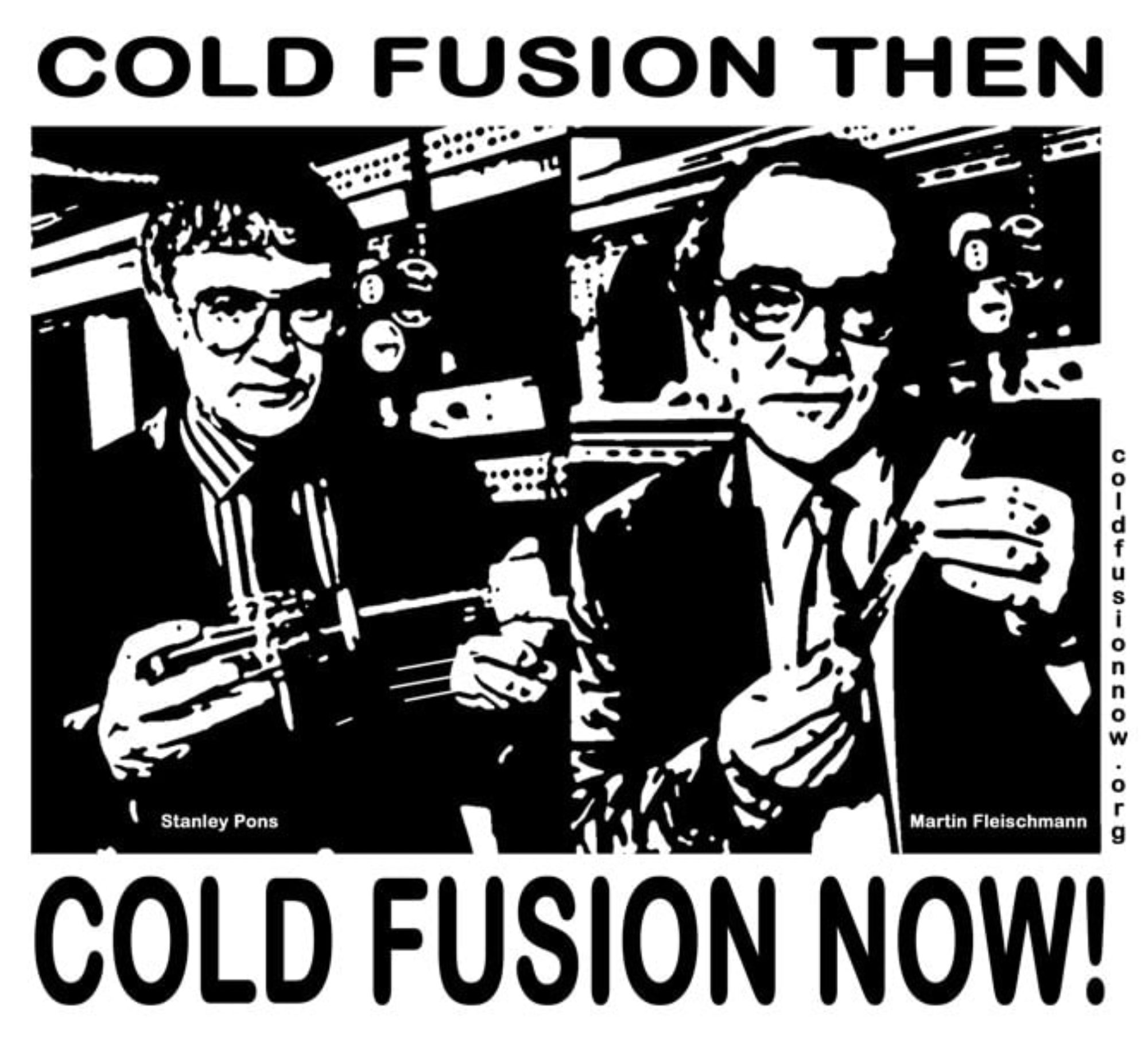
It is the first thermal energy generator to be powered by the reaction between hydrogen and the metal nickel based on two-decades of research that began when Drs. Fleischmann and Pons announced cold fusion in 1989.

Essentially a hot-water boiler, the generator creates steam heat. Currently, coal-fired power plants create steam heat to make electricity for the power grid.

Energy Catalyzer 1 Megawatt
Photo: Daniele Passerini 1 MW Energy Catalyzer Steam Generator
The E-Cat steam heater is mobile, and does not need to be connected to a grid. The first sale was reported to be for use as a mobile heater for ‘remote camps’.

The units sell for $2000 per kilowatt housed inside a standard steel shipping container that will ship anywhere in the world. Sterling Allan of PESN who attended the recent deal-closing demonstration reports that all products are currently designed for industrial and agency use, and “smaller units for domestic use by individuals, [will be] ready in about a year’s time” citing pending certifications as the delay.

Potential buyers have a complete demonstration available to them before purchase including the opportunity to fully test the E-Cat generator to their satisfaction.

The high-energy return for hydrogen fuel that reacts inside a tiny piece of metal is akin to the energy generated by fusion. Fusion is where the central portions of atoms combine together releasing enormous amounts of energy many times greater than the chemical burning of oil, gas, or coal.

Conventional theories of fusion claim the process can only occur in the Sun, under intense pressure and heat. Hot fusionists have attempted to re-create those extreme conditions in the laboratory for half-a-century without success in generating over-unity power for more than a a second or two. Cold fusion occurs by as-yet unknown processes that are described by modern physics concepts of phonon resonance and quantum transitions inside a nuclear active environment.

Interactions between the hydrogen and the atoms of the solid metal occur that create heat, and even transmutation products, at room temperature. Updating the current theories to incorporate this phenomenon challenges mainstream scientists adamantly against investigating this very post-modern phenomenon.

Andrea Rossi
Andrea Rossi invents first commercial cold fusion energy generator.
Engineer and inventor of the Energy Catalyzer is Andrea A. Rossi. Having researched for two decades, many laboratories around the globe have regularly observed between 2, 6, and 25 times the energy return in these types of system. Mr. Rossi has managed to gain more than 200 times the energy return, and do it on-demand, a natural requisite for a commercial product.

He has also demonstrated his units in self-sustain mode, whereby there is no input power, and the energy return is exponentially increased.

The nickel-hydrogen exothermic reaction does not use radioactive material, and does not generate radiation like today’s nuclear power plants. There is no chain-reaction and no runaway scenario. If the generator gets too hot, the nickel powder melts, stopping the reaction.

This technology promises to disrupt the fossil fuel economy by generating cheap power from abundant fuel that is ultra-clean, mobile, and independent of the grid. The transformation will not be easy. Dr. Edmund Storms chatted with Cold Fusion Now about “Transitionhere.

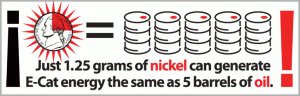
Graphic artist Ashley Swanson from Miami, Florida illustrated the dense energy return for tiny amounts of fuel with this picture you can put on your website.

Nickel vs Oil
Put this graphic on your site.

O my peoples!

This is a fresh era for the new-energy movement. The courageous efforts of independent new-energy scientists who have labored for twenty-two years without funding, without recognition, and without respect, will be realized in the delivery of a revolutionary technology that they alone deserve commendation for.

If you are a business with heating or steam needs, contact the Leonardo Corporation about their E-Cat product line and get cold fusion technology delivered to your door today!

Cold Fusion Now!

Related Links

E-Cat orders being taken after a successful launch by Sterling Allan PESN

Leonardo Corporation homepage (previous bio-diesel product line showing)

E-Cat Northern Europe distributors homepage

Ashley Swanson graphic artist http://www.ashandburn.com/

Dr. Edmund Storms on “Transition” by Ruby Carat Cold Fusion Now October 24, 2011

Oil to Nickel: The E-Cat Energy Equivalence by Ruby Carat Cold Fusion Now October 4, 2011

Mass power outages from superstorms no issue for cold fusion

Storms hit the US hard this past year.

In August, a large hurricane took an unusual path and dumped record amounts of rain up the whole of the eastern coast, saturating grounds and leaving more than 6 million people without electrical power.

Just days ago, an early snowstorm in the northeast of the country broke tree limbs still full of leaves, downing power lines that left 3 million without power.

A surprise two-feet of snow hit some areas and brought business-as-usual to a halt as residents were trapped in their homes, without electricity, and in some cases without heat. Consequently, schools, shops and businesses were closed and billions of dollars of economic damage is added to the infrastructural damage. Close to a dozen people were reportedly killed by fallen power lines and other storm-related circumstances.

As climate change brings more severs swings in weather, from extreme heat and drought to early frost and bitter snowstorms, we enter into the waning moments of both the current economic model and energy paradigm. The confluence of environmental crisis meets economic and energy collapse in what some call a Clusterf**k.

Dismay and despair fill the minds of those who’ve lost everything amidst the crises. Occupy Wall Street is criticized by the corporate media outlets as having no clear demands, but they’re just not listening. The ills of this lifestyle are too complex to be managed by a talking head in 5 seconds.

Or is it? The simple solution to our ecological, economic, and energy problems may be described in two seconds or less.

Cold fusion.

The radical new energy that can be generated on location, as needed, without the requirement of power lines and substations. That’s right, cold fusion technology means you generate your own power in your own house when you need it, not connected to any grid or centralized power plant. Robust and resiliant, cold fusion technology will be our energy go-to as the fossil fuel infrastructure fades away into ruin.

Cold fusion energy means:

NO centrally located coal plants.
NO centrally located nuclear plants using dangerous radioactive fuel.
NO high-voltage electricity substations.
NO power lines across the wilderness, in town, or on your street.
NO power companies monitoring your consumption and dictating your bill.

Cold fusion is disruptive technology that will change the energy industry from a centralized corporate hierarchy to a decentralized individual network. It is for this and other reasons that cold fusion science has been abandoned by the Department of Energy, a federal entity populated with oil and coal industry veterans as well as hot fusion enthusiasts.

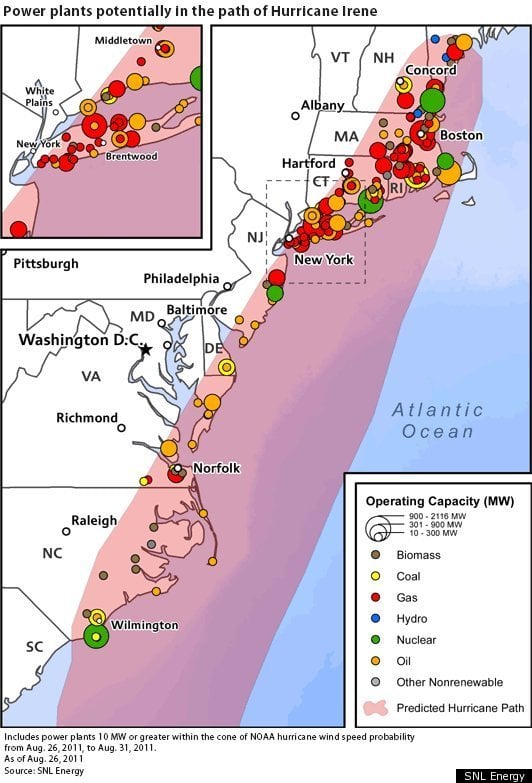
Looking at all the power plants along the eastern US coast that were in the path of Hurricane Irene this year shows the risk that large centralized power plants pose.

HURRICANE-IRENE-POWER-OUTAGES

Dangerous toxins from coal and coal ash, radioactive fuels, oil and gas pipeline ruptures, all pose a threat to the environment we live in.

Losing services due to weather related events risk the well-being of residents who relay on electricity to power medical devices, food refrigeration, and other important needs.

The economic toll becomes incalculable when homes, businesses, schools and government offices are without power.

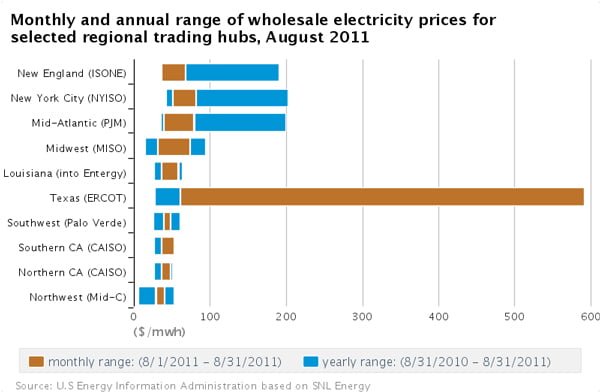
This past August, as a hurricane hit the coast, the state of Texas was suffering from a long drought with more days of 100-degree-and-above temperatures than any year since records began. With the drought, farmers lost crops and cattle, wildlife suffered from lack of food and water, and costs shot up when electricity needs increased.

texas-electricity-cost-heatwave-chart

As our economy runs down the peak oil slope, higher fossil fuel costs, loss of jobs coupled with the exponential growth of paper money create human and ecological tragedies that are sure to continue, unless we change paths.

Cold fusion is a reaction that takes place between hydrogen and the atoms inside a solid metal. The metal is “host” to the reaction, but the atoms of the metal also take part in the energy-generating process.

The first commercial device to be released for industrial use runs on simple hydrogen, the main element in water, along with the metal nickel, just like the nickel in your pocket. Called a nickel-hydrogen exothermic reaction the device makes steam heat, heat is clean. There is no carbon dioxide emitted during the reaction.

A single 1 Megawatt nickel-hydrogen E-Cat, the cold fusion-based steam generator created by inventor Andrea A. Rossi, would consume about 20 kilograms of nickel powder and 36 kilograms of hydrogen each year with the only by-product is steam and hot water. The nickel is recyclable after six-months of operation.

On the other hand, a 1 Megawatt coal-fired power plant will burn 20,000 rail cars of coal each year. At 183.65 metric tons CO2 per railcar [see here], that’s 3.7 million metric tons of CO2 for 20,000 railcars.

Since a metric ton is 1000 kilograms, that 3.7 billion kilograms of CO2 emitted annually from a single 1 MW coal-fired power plant.

Nature is not finished with us. In fact, she’s only just begun. With 7 billion people on this planet extracting resources exponentially, climate change and extreme weather add another layer to the stressed social and economic systems.

Cold fusion offers a path to navigate the near-future crises that inevitably will affect our planet to a greater degree. And when storms take the power out, it offers a safe, clean, energy that you have the perogative to turn on and off at will, your will.

Cold Fusion Now!

Related Links

Edmund Storms on “Transition” Cold Fusion Now video October 24, 2011

The Answer to All Our Energy Problems video by Alien Scientist transcribed by Sterling Allan PESN

CO2 Emissions Report July 2000 from EIA

Emissions from Energy Consumption at Conventional Power Plants from EIA

Top