Dr. Edmund Storms Explains LENR — New Interview

A brief description of our dialogue titled Nano-Cracks, Metallic Hydrogen, & Explaining LENR:

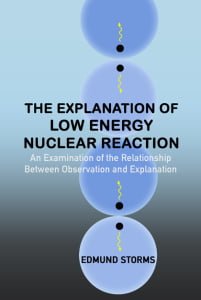
Dr. Storms is a nuclear chemist who spent thirty-four years working at Los Alamos National Labs. There he conducted research into materials for use in nuclear power and propulsion reactors, including studies of cold fusion. Ed is also the author of The Science of Low Energy Nuclear Reaction, published in 2007, and has recently published a follow-up book – The Explanation of Low Energy Nuclear Reaction – exploring the theoretical side of LENR. His book can be found at Infinite-Energy.com

Hope you enjoy. Check out my blog Q-Niverse and Blue-Science.org for more of my content. Thanks again.

Edmund Storms’ “The Explanation of LENR” provides “physical science based model”

Graphic: Artist rendition by Ruby Carat of Edmund Storms’ hydroton structure just before fusion.

Front-cover-300ppi-420x626A new book by Edmund Storms reviews the top contenders for the scientific prize of the century, the theory of cold fusion, and analyzes the assumptions on which each different model rests with the critical glare of the scientific method.

The Explanation of Low Energy Nuclear Reaction: An Examination of the Relationship between Observation and Explanation published by Infinite Energy Press, juxtaposes today’s theories with the observed laboratory results, and applies the basic laws of physical nature and materials science to the metallic host of the reaction.

Unsatisfied that the current explanations of cold fusion do not address the wide variety of data, and require unsupportable assumptions, Dr. Storms then offers another idea – how to initiate the reaction, essentially describing the nuclear active environment (NAE), the set of necessary and sufficient conditions needed for the reaction to occur.

Where does the reaction occur?

This is a contentious issue, as researchers in the field still do not agree on where the reaction actually occurs. Storms believes it occurs outside the chemical structure of the host metallic lattice in tiny nano-cracks that trap hydrogen nuclei and electrons in an unusual configuration. When the hydroton resonates, a form of fusion occurs whereby the mass is transformed to heat energy in smaller portions, and photons are released along the axis of the column of hydrogen. Make the right-sized space, fill it with hydrogen, apply resonance, and the reaction will happen straightaway.

His recipe was constructed from the grass roots of science – lab measurements collected over twenty-five years by a global community. In those years, Storms has conducted multiple surveys of the field, as both a Los Alamos National Lab nuclear chemist, and an independent researcher, giving him a broad familiarity with the observations.

In the book’s Foreword, Dr. Michael McKubre (SRI) writes: “The opportunity to learn directly from the most knowledgeable person in arguably the most important emerging field, and to share his concise and well considered condensation of a difficult and scattered literature, are not the only or primary reasons to comprehend The Explanation of Low Energy Nuclear Reaction. Laid out clearly and gently in Chapter 5, ‘Description of an Explanation,’ is the first physical science based description of a potential explanation for cold fusion.”

Different model for every lab

While cold fusion has been an experimental fact for two-and-a-half decades, a generally accepted theory has eluded scientists, and it hasn’t helped that the laboratory phenomenon of cold fusion is in complete disagreement with conventional nuclear theory. That, and the ragged history of reproducibility (now ended), has revealed a completely new frontier in condensed matter nuclear science (CMNS): the apparent creation of fusion-sized heat and other transmutation elements in and around metallic solids like palladium and nickel, among other materials.

It means a source of ultra-clean energy, super dense and long-lasting, decentralized and off-grid. With a virtually limitless supply of fuel from hydrogen, it means a second chance for a green technological future for the planet. As all systems re-tool to accommodate the new energy technology, it means a new economy as well. The tiny reactors are now being engineered for consumer devices, yet the pace is slow.

Each lab with a working generator follows a different model of the reaction. JET Energy has the NANOR device, engineered by Dr. Mitchell Swartz in association with theorist Dr. Peter Hagelstein of the Massachusetts Institute of Technology. The Brillouin Hot Tube is based on engineer Robert Godes‘ Quantum Fusion Theorem. Andrea Rossi‘s E-Cat was developed with the thinking that nickel-to-copper transmutations as described by Sergio Focardi provided the powerful thermal output. In Japan, Technova, Inc is associated with theorist Dr. Akito Takahashi of Kobe University, and the list goes on.

All these models have gone through revisions as new ideas arrive. Still, none of the proposed explanations have fostered the winning coup of both control of the generator and a commercially-viable energy output. Only a complete theory will describe how to maximize the potential of this reaction and point to an optimally engineered technology.

Soliciting wider participation to find a solution

From the book’s website http://lenrexplained.com/:

The Explanation of Low Energy Nuclear Reaction: An Examination of the Relationship between Observation and Explanation attempts to bridge the gap between what is thought to be true and possible by conventional scientists and what is claimed by people advocating the reality of the cold fusion phenomenon.”

“Hopefully, the approach used in the book will help more people understand how cold fusion might function as a real phenomenon and will show how the phenomenon is now too important as a potential source of ideal clean energy for rejection to continue,” writes Storms.

Cold Fusion Now’s Ruby Carat helped to edit the book and rocked the cover with an artist’s representation of the hydroton.

IEPressLogo-200x57The 351-page book includes over 900 references to relevant literature and begins shipping today.

Order a copy of The Explanation of Low Energy Nuclear Reaction from Infinite Energy Press here.

Read an interview with author Edmund Storms conducted by Christy Frazier of Infinite Energy Magazine here.

Japanese Cold Fusion Research Society meeting papers released

The Japanese Cold Fusion Research Society (JCF) held its 14th meeting last December at the Tokyo Institute of Technology, where Dr. X.F. Wang of Arata R&D Center and Hydrogen Eng. A&D Co. and Hideki Yoshino of Clean Planet, Inc. both reported on academic and industry researchers presenting their most recent results.

The JCF-14 Proceedings edited by Akira Kitamura of Technova, Inc. and Kobe University consists of papers of presenters at the event.

“… cold fusion has a potential ability to establish a small-scale, radiationless nuclear reactor, and hopefully to shorten half-lives of radioactive wastes by nuclear transmutation,” writes Kitamura in the Preface.

He believes that this approach has the potential …

“not only to realize an environmentally-sound nuclear power system with zero emission of the greenhouse gases and other harmful oxides, but also to develop a novel technique for disposal of the nuclear wastes produced by fission reactors.”

Transmutation data was presented by several speakers including Yasuhiro Iwamura and S. Tsuruga of Mitsubishi Heavy Industries and Hideo Kozima of Cold Fusion Research Lab. Several theoretical papers are published as well.

Of particular interest to general readers is Hideo Kozima‘s paper What is cold fusion?

In the essay, he defines: The CFP (Cold Fusion Phenomenon) stands for “nuclear reactions and accompanying events occurring in open (with external particle and energy supplies), non-equilibrium system composed of solids with high densities of hydrogen isotopes (H and/or D) in ambient radiation” belonging to Solid-State Nuclear Physics (SSNP) or Condensed Matter Nuclear Science (CMNS). (CFRL News No.81, http://www.geocities.jp/hjrfq930/).

Kozima goes on to say, “The most important fields of the CFP developed after the initial discovery in 1989 are various kinds of events in protium systems and the nuclear transmutations both in deuterium and protium systems which have not been in their targets of the evaluation of the two DOE Reports [DOE Reports 1989, 2004].”

His survey of CF data has caused him to write the “irreproducibility of events in the CFP [cold fusion phenomenon] discussed in Sec. 3 is closely related to the complexity in this phenomenon.” Solutions to data sets are “using the Feigenbaum’s theorem describing a nature of an equation of nonlinear dynamics [Kozima 2012, 2013]”. In response, Kozima presents a “TNCF model [Kozima 1998, 2006] with a single adjustable parameter nn is based on the whole experimental facts obtained in materials composed of various host solids and hydrogen isotopes not only deuterium but also protium.”

Find the essay What is Cold Fusion? by Hideo Kozima in the JCF-14 Proceedings. [.pdf]

See also:

Industry and academic partnerships report from JCF-14 meeting

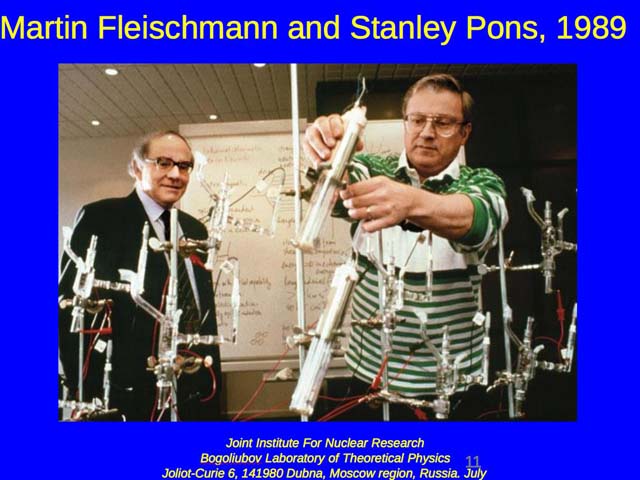
“Science Inspired by Martin Fleischmann”

cover-1A new book Developments in Electrochemistry: Science Inspired by Martin Fleischmann has been published by John Wiley.

From the description:

Martin Fleischmann was truly one of the ‘fathers’ of modern electrochemistry having made major contributions to diverse topics within electrochemical science and technology. These include the theory and practice of voltammetry and in situ spectroscopic techniques, instrumentation, electrochemical phase formation, corrosion, electrochemical engineering, electrosynthesis and cold fusion.

While intended to honour the memory of Martin Fleischmann, Developments in Electrochemistry is neither a biography nor a history of his contributions. Rather, the book is a series of critical reviews of topics in electrochemical science associated with Martin Fleischmann but remaining important today. The authors are all scientists with outstanding international reputations who have made their own contribution to their topic; most have also worked with Martin Fleischmann and benefitted from his guidance.

Each of the 19 chapters within this volume begin with an outline of Martin Fleischmann’s contribution to the topic, followed by examples of research, established applications and prospects for future developments.

The book is of interest to both students and experienced workers in universities and industry who are active in developing electrochemical science.

Nineteen chapters survey a host of topics in Electrochemistry, a field Fleischmann dominated with skills that put him at the top of a talented group. Chapter 13 looks at his work in cold fusion and is written by electrochemists Dr. Melvin Miles, a now-retired Navy scientist, and Dr. Michael McKubre of SRI International, both of whom collaborated with Fleischmann for over a decade.

The chapter’s contents focus on heat measurements, a seemingly simple operation that proves to be much more difficult in practice.

13 Cold Fusion After A Quarter-Century: The Pd/D System 245
by Melvin H. Miles and Michael C.H. McKubre

13.1 The Reproducibility Issue 247
13.2 Palladium–Deuterium Loading 247
13.3 Electrochemical Calorimetry 249
13.4 Isoperibolic Calorimetric Equations and Modeling 250
13.5 Calorimetric Approximations 251
13.6 Numerical Integration of Calorimetric Data 252
13.7 Examples of Fleischmann’s Calorimetric Applications 254
13.8 Reported Reaction Products for the Pd/D System 256
13.8.1 Helium-4 256
13.8.2 Tritium 256
13.8.3 Neutrons, X-Rays, and Transmutations 257
13.9 Present Status of Cold Fusion 257
Acknowledgments 258
References 258

“No one knew calorimetry better than Martin Fleischmann,” says Miles. “He could do things that no one else could do, no one in the world.”

“I believe the chapters in this book will also show Martin’s unusual skill with mathematics. This skill is also shown in the calorimetric equations that he developed for cold fusion and his unmatched ability for the analysis of the calorimetric data,” adds Miles. “I hope the cold fusion chapter in this book will help others to appreciate that Martin’s greatness as a scientist carried over into his work on the palladium/ deuterium system.”

McKubre agrees. “Martin Fleischmann’s name is associated with more innovation in Electrochemistry than any other individual – in the schools where I was trained he was worshiped as a founding father.”

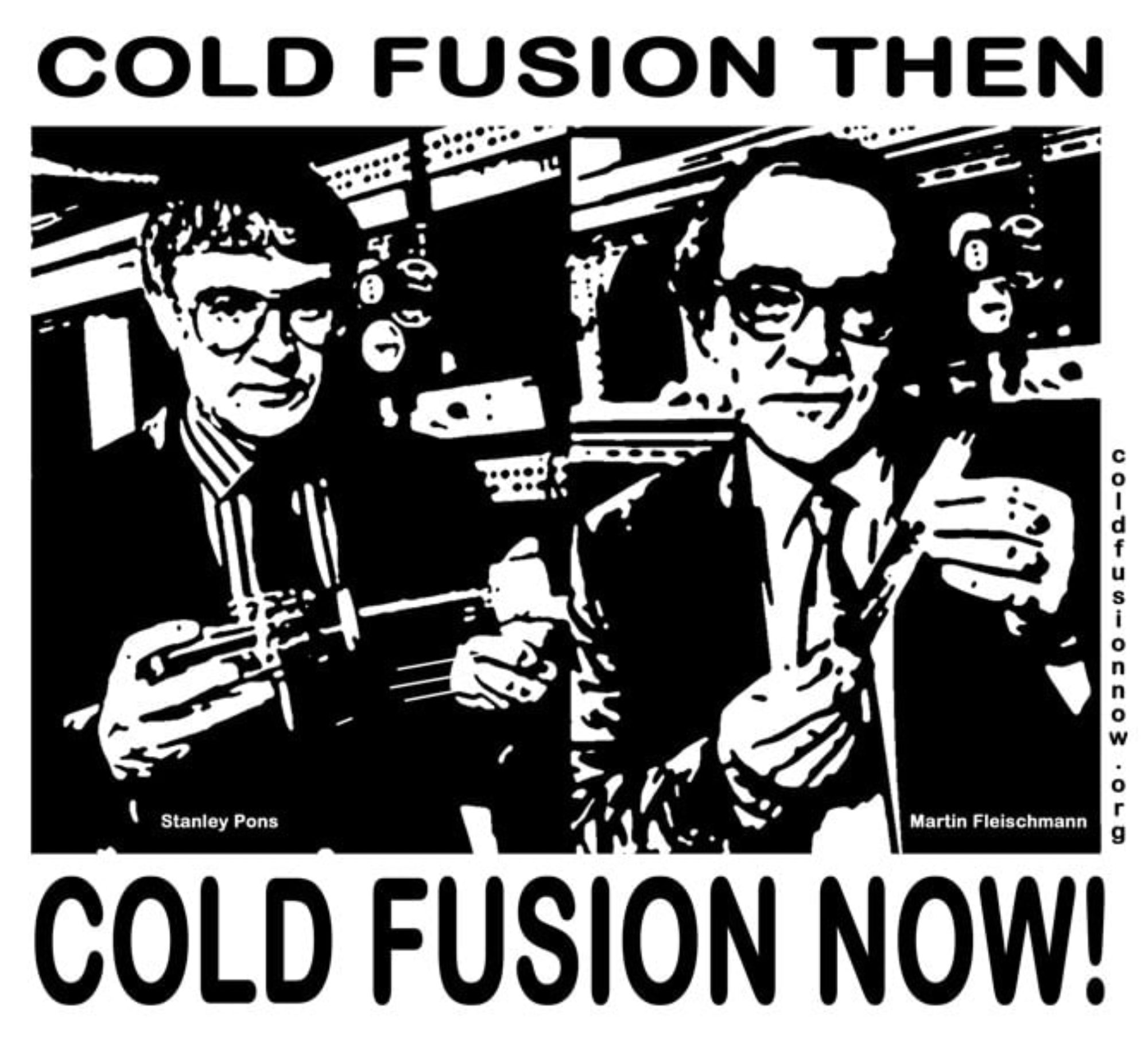
That assessment is a far cry from former-American Physical Society Information Officer/Spokesman Robert Park who derided Fleischmann’s contribution, along with that of his University of Utah research partner Dr. Stanley Pons, saying in the documentary film The Believers, “this was not their field”, and claiming Fleischmann‘s career was based “on one experiment and not much else.”

Science Inspired reveals the wide and influential scope of Fleischmann’s work before the scientific question of the century eclipsed all other research, and after. Read Chapter 1 Martin Fleischmann: The Scientist and the Person compliments of google books here.

Table of Contents

List of Contributors xiii

1 Martin Fleischmann – The Scientist and the Person 1

2 A Critical Review of the Methods Available for Quantitative Evaluation of Electrode Kinetics at Stationary Macrodisk Electrodes 21
Alan M. Bond, Elena A. Mashkina and Alexandr N. Simonov

2.1 DC Cyclic Voltammetry 23

2.1.1 Principles 23

2.1.2 Processing DC Cyclic Voltammetric Data 26

2.1.3 Semiintegration 29

2.2 AC Voltammetry 32

2.2.1 Advanced Methods of Theory–Experiment Comparison 35

2.3 Experimental Studies 36

2.3.1 Reduction of [Ru(NH3)6]3+ in an Aqueous Medium 36

2.3.2 Oxidation of FeII(C5H5)2 in an Aprotic Solvent 40

2.3.3 Reduction of [Fe(CN)6]3− in an Aqueous Electrolyte 42

2.4 Conclusions and Outlook 43

References 45

3 Electrocrystallization: Modeling and Its Application 49
Morteza Y. Abyaneh

3.1 Modeling Electrocrystallization Processes 53

3.2 Applications of Models 56

3.2.1 The Deposition of Lead Dioxide 58

3.2.2 The Electrocrystallization of Cobalt 60

3.3 Summary and Conclusions 61

References 63

4 Nucleation and Growth of New Phases on Electrode Surfaces 65
Benjamin R. Scharifker and Jorge Mostany

4.1 An Overview of Martin Fleischmann’s Contributions to Electrochemical Nucleation Studies 66

4.2 Electrochemical Nucleation with Diffusion-Controlled Growth 67

4.3 Mathematical Modeling of Nucleation and Growth Processes 68

4.4 The Nature of Active Sites 69

4.5 Induction Times and the Onset of Electrochemical Phase Formation Processes 71

4.6 Conclusion 72

References 72

5 Organic Electrosynthesis 77
Derek Pletcher

5.1 Indirect Electrolysis 79

5.2 Intermediates for Families of Reactions 80

5.3 Selective Fluorination 84

5.4 Two-Phase Electrolysis 85

5.5 Electrode Materials 87

5.6 Towards Pharmaceutical Products 88

5.7 Future Prospects 90

References 91

6 Electrochemical Engineering and Cell Design 95
Frank C. Walsh and Derek Pletcher

6.1 Principles of Electrochemical Reactor Design 96

6.1.1 Cell Potential 96

6.1.2 The Rate of Chemical Change 97

6.2 Decisions During the Process of Cell Design 98

6.2.1 Strategic Decisions 98

6.2.2 Divided and Undivided Cells 98

6.2.3 Monopolar and Bipolar Electrical Connections to Electrodes 99

6.2.4 Scaling the Cell Current 100

6.2.5 Porous 3D Electrode Structures 100

6.2.6 Interelectrode Gap 101

6.3 The Influence of Electrochemical Engineering on the Chlor-Alkali Industry 102

6.4 Parallel Plate Cells 105

6.5 Redox Flow Batteries 106

6.6 Rotating Cylinder Electrode Cells 107

6.7 Conclusions 108

References 109

7 Electrochemical Surface-Enhanced Raman Spectroscopy (EC-SERS): Early History, Principles, Methods, and Experiments 113
Zhong-Qun Tian and Xue-Min Zhang

7.1 Early History of Electrochemical Surface-Enhanced Raman Spectroscopy 116

7.2 Principles and Methods of SERS 117

7.2.1 Electromagnetic Enhancement of SERS 118

7.2.2 Key Factors Influencing SERS 119

7.2.3 “Borrowing SERS Activity” Methods 121

7.2.4 Shell-Isolated Nanoparticle-Enhanced Raman Spectroscopy 123

7.3 Features of EC-SERS 124

7.3.1 Electrochemical Double Layer of EC-SERS Systems 124

7.3.2 Electrolyte Solutions and Solvent Dependency 125

7.4 EC-SERS Experiments 125

7.4.1 Measurement Procedures for EC-SERS 125

7.4.2 Experimental Set-Up for EC-SERS 127

7.4.3 Preparation of SERS Substrates 128

Acknowledgments 131

References 131

8 Applications of Electrochemical Surface-Enhanced Raman Spectroscopy (EC-SERS) 137
Marco Musiani, Jun-Yang Liu and Zhong-Qun Tian

8.1 Pyridine Adsorption on Different Metal Surfaces 138

8.2 Interfacial Water on Different Metals 141

8.3 Coadsorption of Thiourea with Inorganic Anions 143

8.4 Electroplating Additives 146

8.5 Inhibition of Copper Corrosion 147

8.6 Extension of SERS to the Corrosion of Fe and Its Alloys: Passivity 149

8.6.1 Fe-on-Ag 150

8.6.2 Ag-on-Fe 150

8.7 SERS of Corrosion Inhibitors on Bare Transition Metal Electrodes 150

8.8 Lithium Batteries 152

8.9 Intermediates of Electrocatalysis 154

Acknowledgments 156

References 156

9 In-Situ Scanning Probe Microscopies: Imaging and Beyond 163
Bing-Wei Mao

9.1 Principle of In-Situ STM and In-Situ AFM 164

9.1.1 Principle of In-Situ STM 164

9.1.2 Principle of In-Situ AFM 166

9.2 In-Situ STM Characterization of Surface Electrochemical Processes 167

9.2.1 In-Situ STM Study of Electrode–Aqueous Solution Interfaces 167

9.2.2 In-Situ STM Study of Electrode–Ionic Liquid Interface 167

9.3 In-Situ AFM Probing of Electric Double Layer 170

9.4 Electrochemical STM Break-Junction for Surface Nanostructuring and Nanoelectronics and Molecular Electronics 173

9.5 Outlook 176

References 177

10 In-Situ Infrared Spectroelectrochemical Studies of the Hydrogen Evolution Reaction 183
Richard J. Nichols

10.1 The H+/H2 Couple 183

10.2 Single-Crystal Surfaces 184

10.3 Subtractively Normalized Interfacial Fourier Transform Infrared Spectroscopy 186

10.4 Surface-Enhanced Raman Spectroscopy 189

10.5 Surface-Enhanced IR Absorption Spectroscopy 190

10.6 In-Situ Sum Frequency Generation Spectroscopy 193

10.7 Spectroscopy at Single-Crystal Surfaces 194

10.8 Overall Conclusions 197

References 198

11 Electrochemical Noise: A Powerful General Tool 201
Claude Gabrielli and David E. Williams

11.1 Instrumentation 202

11.2 Applications 204

11.2.1 Elementary Phenomena 204

11.2.2 Bioelectrochemistry 205

11.2.3 Electrocrystallization 207

11.2.4 Corrosion 209

11.2.5 Other Systems 215

11.3 Conclusions 217

References 217

12 From Microelectrodes to Scanning Electrochemical Microscopy 223
Salvatore Daniele and Guy Denuault

12.1 The Contribution of Microelectrodes to Electroanalytical Chemistry 224

12.1.1 Advantages of Microelectrodes in Electroanalysis 224

12.1.2 Microelectrodes and Electrode Materials 226

12.1.3 New Applications of Microelectrodes in Electroanalysis 227

12.2 Scanning Electrochemical Microscopy (SECM) 230

12.2.1 A Brief History of SECM 230

12.2.2 SECM with Other Techniques 231

12.2.3 Tip Geometries and the Need for Numerical Modeling 233

12.2.4 Applications of SECM 234

12.3 Conclusions 235

References 235

13 Cold Fusion After A Quarter-Century: The Pd/D System 245
Melvin H. Miles and Michael C.H. McKubre

13.1 The Reproducibility Issue 247

13.2 Palladium–Deuterium Loading 247

13.3 Electrochemical Calorimetry 249

13.4 Isoperibolic Calorimetric Equations and Modeling 250

13.5 Calorimetric Approximations 251

13.6 Numerical Integration of Calorimetric Data 252

13.7 Examples of Fleischmann’s Calorimetric Applications 254

13.8 Reported Reaction Products for the Pd/D System 256

13.8.1 Helium-4 256

13.8.2 Tritium 256

13.8.3 Neutrons, X-Rays, and Transmutations 257

13.9 Present Status of Cold Fusion 257

Acknowledgments 258

References 258

14 In-Situ X-Ray Diffraction of Electrode Surface Structure 261
Andrea E. Russell, Stephen W.T. Price and Stephen J. Thompson

14.1 Early Work 262

14.2 Synchrotron-Based In-Situ XRD 264

14.3 Studies Inspired by Martin Fleischmann’s Work 266

14.3.1 Structure of Water at the Interface 266

14.3.2 Adsorption of Ions 268

14.3.3 Oxide/Hydroxide Formation 268

14.3.4 Underpotential Deposition (upd) of Monolayers 270

14.3.5 Reconstructions of Single-Crystal Surfaces 275

14.3.6 High-Surface-Area Electrode Structures 275

14.4 Conclusions 277

References 277

15 Tribocorrosion 281
Robert J.K. Wood

15.1 Introduction and Definitions 281

15.1.1 Tribocorrosion 282

15.1.2 Erosion 282

15.2 Particle–Surface Interactions 283

15.3 Depassivation and Repassivation Kinetics 283

15.3.1 Depassivation 284

15.3.2 Repassivation Rate 286

15.4 Models and Mapping 287

15.5 Electrochemical Monitoring of Erosion–Corrosion 290

15.6 Tribocorrosion within the Body: Metal-on-Metal Hip Joints 291

15.7 Conclusions 293

Acknowledgments 293

References 293

16 Hard Science at Soft Interfaces 295
Hubert H. Girault

16.1 Charge Transfer Reactions at Soft Interfaces 295

16.1.1 Ion Transfer Reactions 296

16.1.2 Assisted Ion Transfer Reactions 298

16.1.3 Electron Transfer Reactions 299

16.2 Electrocatalysis at Soft Interfaces 300

16.2.1 Oxygen Reduction Reaction (ORR) 301

16.2.2 Hydrogen Evolution Reaction (HER) 302

16.3 Micro- and Nano-Soft Interfaces 304

16.4 Plasmonics at Soft Interfaces 305

16.5 Conclusions and Future Developments 305

References 307

17 Electrochemistry in Unusual Fluids 309
Philip N. Bartlett

17.1 Electrochemistry in Plasmas 310

17.2 Electrochemistry in Supercritical Fluids 314

17.2.1 Applications of SCF Electrochemistry 321

17.3 Conclusions 325

Acknowledgments 325

References 325

18 Aspects of Light-Driven Water Splitting 331
Laurence Peter

18.1 A Very Brief History of Semiconductor Electrochemistry 332

18.2 Thermodynamic and Kinetic Criteria for Light-Driven Water Splitting 334

18.3 Kinetics of Minority Carrier Reactions at Semiconductor Electrodes 336

18.4 The Importance of Electron–Hole Recombination 338

18.5 Fermi Level Splitting in the Semiconductor–Electrolyte Junction 339

18.6 A Simple Model for Light-Driven Water-Splitting Reaction 341

18.7 Evidence for Slow Electron Transfer During Light-Driven Water Splitting 343

18.8 Conclusions 345

Acknowledgments 345

References 346

19 Electrochemical Impedance Spectroscopy 349
Samin Sharifi-Asl and Digby D. Macdonald

19.1 Theory 350

19.2 The Point Defect Model 350

19.2.1 Calculation of Y0F 355

19.2.2 Calculation of ΔC0 i ΔU 355

19.2.3 Calculation of ΔCL v ΔU 356

19.3 The Passivation of Copper in Sulfide-Containing Brine 357

19.4 Summary and Conclusions 363

Acknowledgments 363

References 363

Index 367
Tsyganov presents at Dubna conference

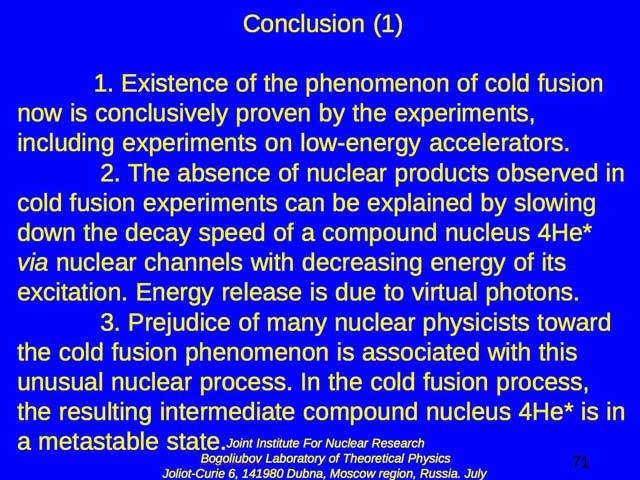
A seminar “DD fusion in conducting crystals” by Edward Tsyganov will be held July 7 on 3:30 pm at the Joint Institute for Nuclear Research in the N. N. Bogolyubov Laboratory of Theoretical Physics in Dubna, Russia near Moscow.

A brief background on cold fusion leading to a discussion on some aspects of atomic physics will be presented. Conduction electrons in metallic crystal are grouped in potential niches of the crystal lattice, resulting in a ban for s-states of hydrogen to occupy these same niches. At the same time, the filling of these niches with deuterium atoms is allowed for the excited atomic states of level 2p and above. We believe that this process of excitation of atomic states to the 2p level and above explains the first stage of the so-called cold fusion.

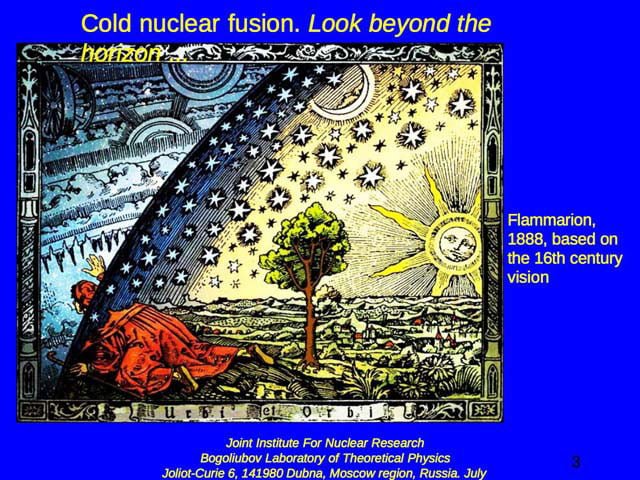
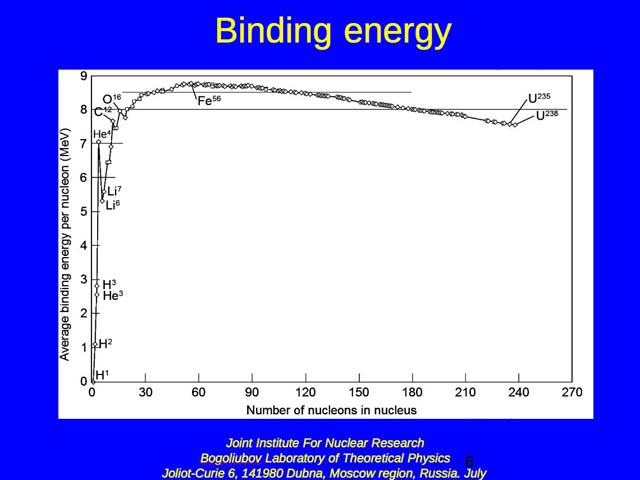
The first 18 slides and conclusion from the presentation file are posted below.
The full presentation .pdf can be found here.

Tsyganov-Dubna-01

Tsyganov-Dubna-02

Tsyganov-Dubna-03

Tsyganov-Dubna-04

Tsyganov-Dubna-05

Tsyganov-Dubna-06

Tsyganov-Dubna-07

Tsyganov-Dubna-08

Tsyganov-Dubna-09

Tsyganov-Dubna-10

Tsyganov-Dubna-11

Tsyganov-Dubna-12

Tsyganov-Dubna-13

Tsyganov-Dubna-14

Tsyganov-Dubna-15

Tsyganov-Dubna-16

Tsyganov-Dubna-17

Tsyganov-Dubna-18

…. … ….Find the full presentation .pdf here.

Tsyganov-Dubna-71

Tsyganov-Dubna-72

Borealis LENR Patent – Elektron is the Greek Word for Amber

The Borealis family of companies could convert popular cold fusion (LENR thermal) energy to desired electrical current at 50% to 80% Carnot efficiency with their Power Chips. This matches, and may nearly double, known industrial electricity production efficiencies.

Then with their Chorus group of advanced polyphase induction motors they can provide every range of torque needed; more efficiently, with decreased size and weight, and with an increase in reliability in both low rpm and high temperature conditions.

Take into account LENR thermal energy at 1000X greater than chemical, plus the thermal/electrical conversion at an amazing 50% to 80%, and then figure in the “harmonic 12 phase” motors with up to 30% improvements in size, efficiency, and safety, and you will see that the Borealis affiliates are roaring and ready to join LENR energy engineers as they race to market a new energy era.

LENR open source projects may benefit from a Borealis relationship as well.

Here is a recent patent abstract from Borealis on LENR thermal electric conversion.

“A system and method are provided for generating electric power from relatively low temperature energy sources at efficiency levels not previously available. The present system and method employ recent advances in low energy nuclear reaction technology and thermionic/thermotunneling device technology first to generate heat and then to convert a substantial portion of the heat generated to usable electrical power. Heat may be generated by a LENR system employing nuclear reactions that occur in readily available materials at ambient temperatures without a high energy input requirement and do not produce radioactive byproducts. The heat generated by the LENR system may be transferred through one or more thermionic converter devices in heat transfer relationship with the LENR system to generate electric power.”

Ancient cultures around the Mediterranean knew that certain objects, such as rods of amber, could be rubbed with cat’s fur to create static electricity. In 1600, the English scientist William Gilbert coined the New Latin word electricus ‘of amber’ or ‘like amber’ from ήλεκτρον [elektron], the Greek word for amber. This association gave rise to the English words ‘electric’ and ‘electricity’ which made their first appearance in print in Thomas Browne’s Pseudodoxia Epidemica of 1646.

“Industrial electricity production at present is done primarily with gas and steam turbine technology. Absolute conversion efficiencies with these technologies are in the range of 30%-40%…” see pg. 9 of ‘Thermal to Electric Energy Conversion‘, by Dr Peter Hagelstein of MIT.

In light of this, one could venture to say that the Borealis proposal to the LENR energy community, at an impressive 50% to 80% thermal electric conversion, is like a precious energetic gem of amber (elektron).

Electricity is one of the wonders of our times, enabling the second industrial revolution as well as the information and space age. How dense will the proposed Borealis LENR electricity be at 60% Carnot? Let’s look at the size of the 6 kilowatt LENR thermoionic electrical generator (75 cubic centimeters). It is quite small compared to the size of a typical 6 kilowatt natural gas home electrical generator, 48L x 25W x 29H (Inches).

From the Borealis LENR Patent

  • An illustrative reactor core with a volume on the order of about 50 cubic centimeters (cm3) can use a few grams of nickel or other metal powder and a very small amount of hydrogen to safely produce about 10 kilowatts of heat.
  • …and can continue to produce this amount of heat for six months or more.
  • …and the thermionic converter preferably may have a longest dimension in the range of about one inch (2.2 cm), the overall size of the present high efficiency electricity generating system can be quite small.
  • The size of the system can be increased by connecting modules of LENR system reaction vessels and thermionic converters.
  • Power Chip efficiency: Power Chips can achieve in excess of 50% of Carnot (ideal) efficiency, compared to a maximum of 36% for single stage power plants, 50-60% in conventional two stage power systems, and 5-8% for thermoelectric devices.

The Borealis affiliates have worked hard to master these technologies. Recent breakthroughs have come to them through advanced techniques of nano engineering. Their discoveries within the world of nano particles has lead to atomic architecture designed for specific quantum effects. For a complete representation of their expertise in the field peruse their sites portfolio of patents granted and google Borealis Technical for recent patent activity.

“The new technology results from the discovery that quantum interference, which reduces quantum state density at a material’s surface, can be achieved on a macroscopic scale. Simply by modifying the surface texture of a material in precise ways, using methods commonly applied in the manufacture of semiconductor devices, engineers should be able to exploit this Avto Effect (TM) and transform existing materials into materials with precisely engineered properties for many new applications. When we fully understand the Avto Effect, we could possibly be able to custom design work functions for multiple different applications.” – Borealis CEO – press release

From the Borealis Power Chip Patent

  • The present invention utilizes a wafer bonding technique to create the conditions required for thermoelectric conversion. This involves bringing two conductive planes to within 10-1000 nm without causing electrical or thermal “shorts”. Silicon on insulator techniques are widely used to bond two silicon wafers with thin oxide layers in between. However, the thermal leakage of a 10 nm SiO2 layer is 4-5 orders of magnitude too large for effective thermo-electric conversion.
  • This can easily be mitigated by not bonding the entire surface. If a small particle is trapped in between two silicon wafers, due to the mechanical properties of silicon, a non-bonded area (void) of 5000 times the size (height) of the particle is created. For example, if a particle of height Z is trapped between two silicon wafers, a void with an area of approximately 5000Z2 is formed. Consequently, if two particles are spaced a distance apart, whereby the size of the distance is less than 2×5000 the size of the particles; an even larger void is created. Using this idea, it is possible to form small “spacers” that maintain a gap between the wafers.
  • This invention sets and maintains a gap between the electrodes of a thermotunneling device without the use of active elements, and therefore problems of thermal conduction between its layers are reduced or eliminated.
  • Furthermore, using this method to create gap diode devices is inexpensive as it does not require active elements such as piezoelectric actuators to create and maintain the gap.
  • Furthermore, this invention discloses methods for manufacturingthermotunneling converters on a large scale, thus reducing costs and increasing possibilities for potential applications.
  • The mechanical properties of silicon are such that if a small particle is trapped in between two silicon wafers, a non-bonded area (void) of 5000 times the size (height) of the particle is created. For example, using a 3-dimensional axis of coordinates X, Y and Z, a particle of height Z leads to a void in the X and Y dimensions of approximately 5000 Z in each of X and Y. Therefore the spacers consist of a dot of silicon oxide topped by a protective layer and will have the effect of keeping the two silicon wafers at a desired distance without the use of active elements.
  • This forms a structure in which the thermal flux across the assembly is reduced by the ratio of surface area of these spacers to the remaining surface area. A spacer of about 1 micrometer height leads to a gap with a diameter of approximately 5000 times that size, namely, 0.5 cm. These approximations are effective for typical 4 inch diameter silicon wafers, with a thickness of about 525 micrometers. It is understood that the invention is by no means limited to these measurements or approximations, and they are mentioned merely by way of example.
  • The layers on the active wafer can be introduced using approaches commonly used in the art. For example, an active layer can be introduced on to the electrode by vacuum deposition, using materials such as zinc, lead, cadmium, thallium, bismuth, polonium, tin, selenium, lithium, indium, sodium, potassium, gallium or cesium. Another possible method is sputtering, using materials such as titanium and silver. In a further example, an active layer such as copper is grown electrochemically onto the silicon layer. In another example, an electrically conducting paste, preferably silver, may be applied onto the electrode, or a thin film may be introduced using MEMS techniques. It is to be understood that the invention is in no way limited to these specific methods and they are mentioned only by way of example. Accordingly, any other suitable method may be used.

Manufacturing of electric cars, ships, and aircraft will surge with an electric power plant of this density available; one that requires no fuel tanks or refueling for 6 months!

These manufacturers may also gain an edge with the use of Borealis advanced harmonics control and the ensuing advantages within motors. The following is from the Borealis website.

The Chorus Difference

“The Chorus Motor’s patented employment of electrical drive harmonics unlocks a power-to-weight ratio of almost 10:1 over conventional AC induction solutions. This incredible power density, and the use of patented control logic, allows the motor to function efficiently in both low-speed/high-torque and high-speed/low-torque configurations. In other words Chorus handles very fast starts and ‘power jumps’ as well as smooth, continuous high-speed operation with equal elegance.”

“As a high-phase order motor, the amount of current running through each phase is reduced, enabling a 20-30% reduction in the size and weight of the power electronics module.”

From the Borealis Chorus Motor Patent

  • The most important result of the method of the present invention is that the use of many phases reduces substantially the problems associated with harmonic rotating fields. Specifically, in a fashion novel to the art, the use of many phases causes harmonic fields up to a number equal to the number of phases to rotate in synchronism with the fundamental rotating field. Both spatial harmonic rotating fields and temporal harmonic rotating fields are still developed, but such rotating fields add beneficially to the fundamental rotating field of the machine. Harmonics of higher order than the number of phases still excite non-synchronous rotating fields; however such high order harmonics are in general very weak. Thus motor efficiency losses associated with harmonic rotating fields are reduced.
  • The method of the present invention allows for the use of drive wave-form with high harmonic content, and in an embodiment of the present invention, square wave inverters are used in place of the more complex and expensive sine wave inverters to drive the induction rotating machine. The method of the present invention allows for the use of high saturation levels, and in an embodiment of the present invention high voltage is used to produce high flux densities, thus increasing the overload output capabilities of the induction rotating machine.
  • An advantage of the present invention is that rotating machinery with low pole counts, and thus greater efficiency and capability, can be used where high pole count machines are currently being used.
  • An advantage of the present invention is that the use of multiple inverters will enhance system fault tolerance. Should an inverter leg fail, only a single motor winding will cease to function, and most of the motor capacity will remain available.
  • An advantage of the present invention is that currently available inverter technology may be used to enhance the efficiency and performance of electrical rotating machinery.
  • It is an object of the present invention to enhance the stall torque and reduce the stall power consumption of electric motors.
  • An advantage of the present invention is that a given size electric motor will be more capable of starting inertial loads. When operated as a generator for regenerative braking purposes, a given size induction machine will be more capable of stopping inertial loads.
  • An advantage of the present invention is that inertial loads will be more quickly brought up to running speed.
  • An advantage of the present invention is that less energy will be dissipated when starting and stopping electrical rotating machinery.
  • An advantage of the present invention is that a smaller motor may be used on large inertial loads, allowing the motor to operate much nearer to full power after said inertial load is accelerated to operational speed. This will enhance the efficiency of such systems as motors are more efficient when operated nearer to full power.
  • It is an object of the present invention to reduce the zero load power consumption of electric motors.
  • An advantage of the present invention is that motor operation will be more efficient, especially so at low duty factors.
  • An advantage of the present invention is that stator heating will be significantly reduced.
  • It is an object of the present invention to provide greater reliability through redundancy in drive electronics.
  • An advantage of the present invention is that the motor and drive system will continue to function although a single inverter may fail.
  • An advantage of the present invention is that the winding copper is more effectively used.

Patents Sourced

Borealis LENR Patent - Published Nov. 14, 2013
Method and System for High Efficiency Electricity Generation Using Low Energy Thermal Heat Generation and Thermionic Devices
Borealis Power Chip Patent - Granted Sept. 24, 2013
Thermionic/Thermotunneling Thermo-Electrical Converter
Borealis Chorus Motor Patent - Granted April 25, 2000
Polyphase Induction Electrical Rotating Machine

Poetry

All over the world, engineers hold the “Ritual of the Calling of an Engineer” in high regard. It was written and presented by Kipling in the early 1920 ‘s, at the request of a group of seven retired presidents of the Engineering Institute of Canada. They had decided that there needed to be a ceremony and standard of ethics for graduating engineers. The Corporation of the Seven Wardens administers the oath to this day.

“The Ritual of the Calling of an Engineer has been instituted with the simple end of directing the young engineer towards a consciousness of his profession and its significance, and indicating to the older engineer his responsibilities in receiving, welcoming and supporting the young engineers in their beginnings.” — Rudyard Kipling

Advances in well engineered physical constructs have improved living conditions since the time of Kipling. Excellence in engineering has become the standard of our day. Recent social constructs have also improved life since the days of Kipling. His poems often reflect the harshness of life before the advent of the 40 hour work week, minimum wage standards, and workplace safety and child labor laws.

Perhaps with the era that cold fusion ushers in we will see our social engineers making the quantum leap that our physical engineers are making today. They did so in the Victorian era.

Honoring those who ensure that all things are in working order and engineered correctly; penned during the writing of the “Ritual of the Calling of the Engineer”.

This poem alludes to the the division of the labor and privileged classes of his day.

The Sons of Martha – by Rudyard Kipling

The Sons of Mary seldom bother, for they have inherited that good part;
But the Sons of Martha favour their Mother of the careful soul and troubled heart.
And because she lost her temper once, and because she was rude to the Lord her Guest,
Her Sons must wait upon Mary’s Sons, world without end, reprieve, or rest.

It is their care in all the ages to take the buffet and cushion the shock.
It is their care that the gear engages; it is their care that the switches lock.
It is their care that the wheels run truly; it is their care to embark and entrain,
Tally, transport, and deliver duly the Sons of Mary by land and main.

They say to mountains, ‘Be ye removed’. They say to the lesser floods, ‘Be dry’.
Under their rods are the rocks reproved – they are not afraid of that which is high.
Then do the hill-tops shake to the summit – then is the bed of the deep laid bare,

That the Sons of Mary may overcome it, pleasantly sleeping and unaware.
They finger death at their gloves’ end where they piece and repiece the living wires.
He rears against the gates they tend: they feed him hungry behind their fires.
Early at dawn, ere men see clear, they stumble into his terrible stall,

And hale him forth like a haltered steer, and goad and turn him till evenfall.
To these from birth is Belief forbidden; from these till death is Relief afar.
They are concerned with matter hidden, under the earthline their altars are;
The secret fountains to follow up, waters withdrawn to restore to the mouth,

And gather the floods as in a cup, and pour them again at a city drouth.
They do not preach that their God will rouse them a little before the nuts work loose.
They do not teach that His Pity allows them to leave their work when they damn-well choose.
As in the thronged and the lighted ways, so in the dark and the desert they stand.

Wary and watchful all their days that their brethren’s days may be long in the land.
Raise ye the stone or cleave the wood to make a path more fair or flat:
Lo, it is black already with blood some Son of Martha spilled for that:
Not as a ladder from earth to Heaven, not as a witness to any creed,

But simple service simply given to his own kind in their common need.
And the Sons of Mary smile and are blessed, they know the angels are on their side.
They know in them is the Grace confessed, and for them are the Mercies multiplied.
They sit at the Feet – they hear the Word – they see how truly the Promise Runs:

They have cast their burden upon the Lord, and – the Lord He lays it on Martha’s Sons.

History

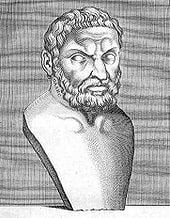
Thales, the earliest known researcher into electricity

Long before any knowledge of electricity existed people were aware of shocks from electric fish. Ancient Egyptian texts dating from 2750 BC referred to these fish as the “Thunderer of the Nile”, and described them as the “protectors” of all other fish. Electric fish were again reported millennia later by ancient Greek, Roman and Arabic naturalists and physicians. Several ancient writers, such as Pliny the Elder and Scribonius Largus, attested to the numbing effect of electric shocks delivered by catfish and torpedo rays, and knew that such shocks could travel along conducting objects. Patients suffering from ailments such as gout or headache were directed to touch electric fish in the hope that the powerful jolt might cure them. Possibly the earliest and nearest approach to the discovery of the identity of lightning, and electricity from any other source, is to be attributed to the Arabs, who before the 15th century had the Arabic word for lightning (raad) applied to the electric ray.

ThalesAncient cultures around the Mediterranean knew that certain objects, such as rods of amber, could be rubbed with cat’s fur to attract light objects like feathers. Thales of Miletos made a series of observations on static electricity around 600 BC, from which he believed that friction rendered amber magnetic, in contrast to minerals such as magnetite, which needed no rubbing. Thales was incorrect in believing the attraction was due to a magnetic effect, but later science would prove a link between magnetism and electricity. According to a controversial theory, the Parthians may have had knowledge of electroplating, based on the 1936 discovery of the Baghdad Battery, which resembles a galvanic cell, though it is uncertain whether the artifact was electrical in nature.

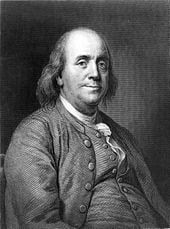
Benjamin Franklin

3-Benjamin-FranklinBenjamin Franklin conducted extensive research on electricity in the 18th century, as documented by Joseph Priestley(1767) History and Present Status of Electricity, with whom Franklin carried on extended correspondence.

Electricity would remain little more than an intellectual curiosity for millennia until 1600, when the English scientist William Gilbert made a careful study of electricity and magnetism, distinguishing the lodestone effect from static electricity produced by rubbing amber. He coined the New Latin word electricus (“of amber” or “like amber”, from ήλεκτρον [elektron], the Greek word for “amber”) to refer to the property of attracting small objects after being rubbed. This association gave rise to the English words “electric” and “electricity”, which made their first appearance in print in Thomas Browne’s Pseudodoxia Epidemica of 1646.

Further work was conducted by Otto von Guericke, Robert Boyle, Stephen Gray and C. F. du Fay. In the 18th century, Benjamin Franklin conducted extensive research in electricity, selling his possessions to fund his work. In June 1752 he is reputed to have attached a metal key to the bottom of a dampened kite string and flown the kite in a storm-threatened sky. A succession of sparks jumping from the key to the back of his hand showed that lightning was indeed electrical in nature. He also explained the apparently paradoxical behavior of theLeyden jar as a device for storing large amounts of electrical charge.

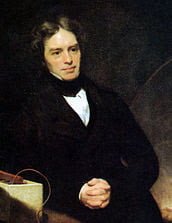
4-Michael-FaradayMichael Faraday formed the foundation of electric motor technology

In 1791, Luigi Galvani published his discovery of bioelectricity, demonstrating that electricity was the medium by which nerve cells passed signals to the muscles. Alessandro Volta’s battery, or voltaic pile, of 1800, made from alternating layers of zinc and copper, provided scientists with a more reliable source of electrical energy than the electrostatic machines previously used. The recognition of electromagnetism, the unity of electric and magnetic phenomena, is due to Hans Christian Ørsted and André-Marie Ampère in 1819-1820; Michael Faraday invented the electric motor in 1821, and Georg Ohm mathematically analysed the electrical circuit in 1827. Electricity and magnetism (and light) were definitively linked by James Clerk Maxwell, in particular in his “On Physical Lines of Force” in 1861 and 1862.

6-toroidWhile the early 19th century had seen rapid progress in electrical science, the late 19th century would see the greatest progress in electrical engineering. Through such people as Alexander Graham Bell,Ottó Bláthy, Thomas Edison, Galileo Ferraris, Oliver Heaviside, Ányos Jedlik, Lord Kelvin, Sir Charles Parsons, Ernst Werner von Siemens, Joseph Swan, Nikola Tesla and George Westinghouse, electricity turned from a scientific curiosity into an essential tool for modern life, becoming a driving force of the Second Industrial Revolution.In 1887, Heinrich Hertz discovered that electrodes illuminated with ultraviolet light create electric sparks more easily. In 1905 Albert Einstein published a paper that explained experimental data from the photoelectric effect as being the result of light energy being carried in discrete quantized packets, energizing electrons. This discovery led to the quantum revolution. Einstein was awarded the Nobel Prize in 1921 for “his discovery of the law of the photoelectric effect”. The photoelectric effect is also employed in photocells such as can be found in solar panels and this is frequently used to make electricity commercially.

The first solid-state device was the “cat’s whisker” detector, first used in 1930s radio receivers. A whisker-like wire is placed lightly in contact with a solid crystal (such as a germanium crystal) in order to detect a radio signal by the contact junction effect. In a solid-state component, the current is confined to solid elements and compounds engineered specifically to switch and amplify it. Current flow can be understood in two forms: as negatively charged electrons, and as positively charged electron deficiencies called holes. These charges and holes are understood in terms of quantum physics. The building material is most often a crystalline semiconductor.The solid-state device came into its own with the invention of the transistor in 1947. Common solid-state devices include transistors, micro processor chips, and RAM. A specialized type of RAM called flash RAM is used in flash drives and more recently, solid state drives to replace mechanically rotating magnetic disc hard drives. Solid state devices became prevalent in the 1950s and the 1960s, during the transition from vacuum tube technology to semiconductor diodes, transistors, integrated circuit (IC) and the light-emitting diode (LED).

Top